In Omaha, Lincoln, and surrounding areas, homeowners and technicians often ask whether it is possible to predict the next pest problem before activity becomes visible. Most pest issues do not appear suddenly. They build gradually from early conditions that are easy to overlook during routine home checks.
In the field, those early signs rarely look like a clear problem on their own. What homeowners notice first is often scattered or inconsistent activity, not a full infestation pattern.
The real challenge is not identifying pests after they appear. It is deciding which small environmental signals actually point to a developing issue inside the structure.
Inspection Shift to Predict the Next Pest Problem
One of the biggest changes in the field is that inspections are no longer centered on visible pest activity.
In Omaha and Lincoln, technicians now start by evaluating conditions around the structure before identifying pests.
In practice, this includes:
- Checking moisture zones before confirming pest type
- Reviewing grading and drainage before treatment planning
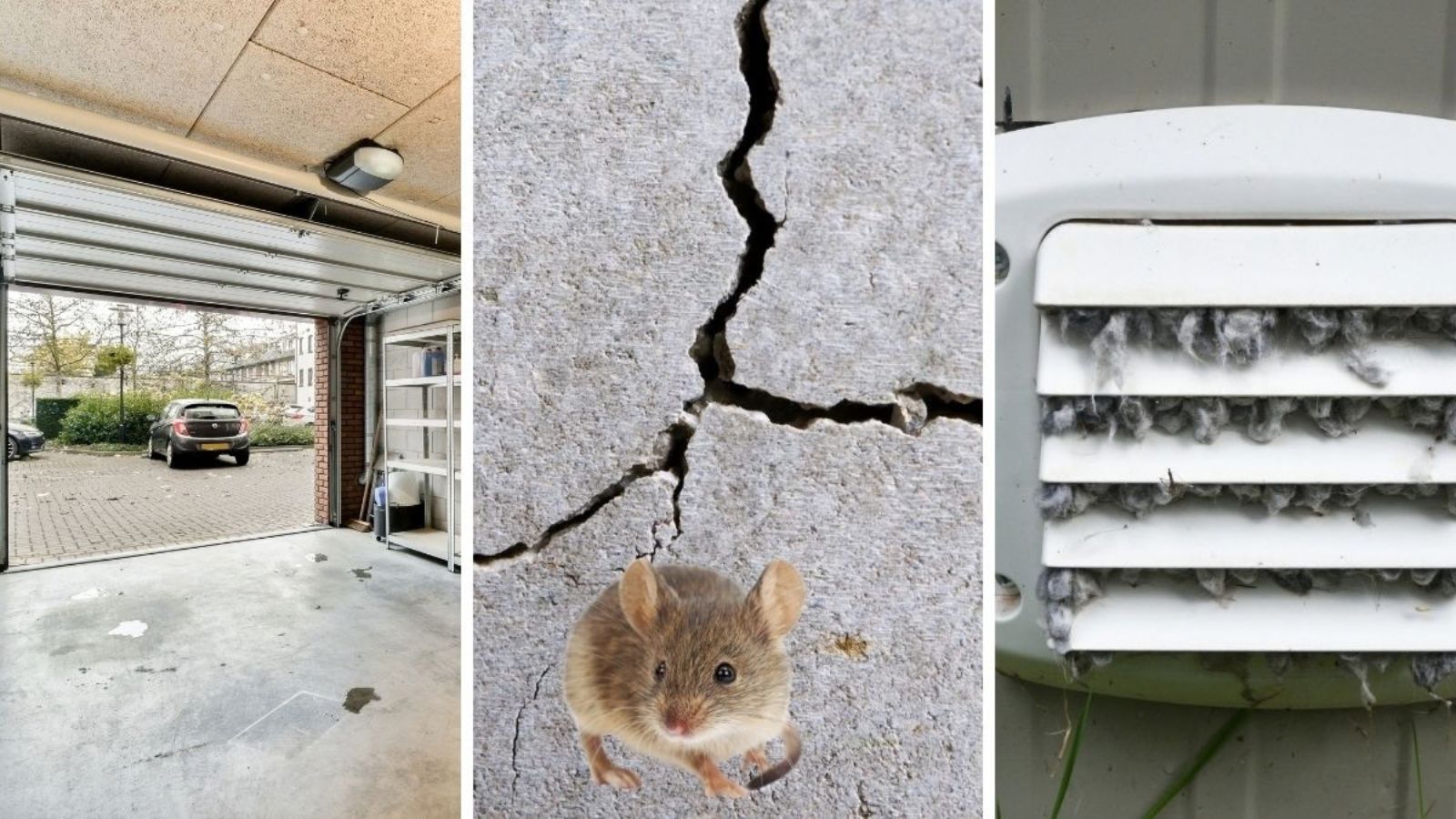
- Mapping entry points even when activity is light
- Asking when conditions changed, not just when pests appeared
A recurring observation is that pest issues are often predictable once environmental conditions are understood. The focus has shifted from reacting to signs of pests to reading the conditions that allow them to develop.
Early Warning Signs
A consistent challenge in the field is that early pest indicators rarely look serious. Homeowners often notice signs but do not connect them to a developing problem.
Common early indicators include:
- Occasional ants near sinks or pet areas
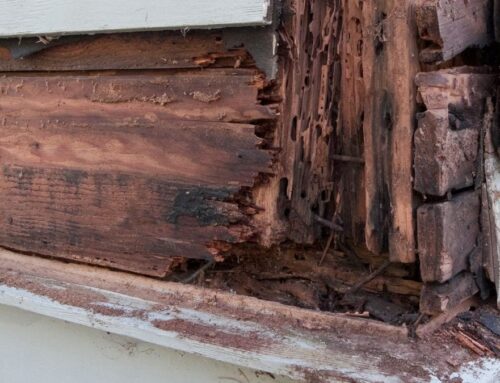
- Light scratching sounds in walls or ceilings
- Small soil shifts near foundations after rain
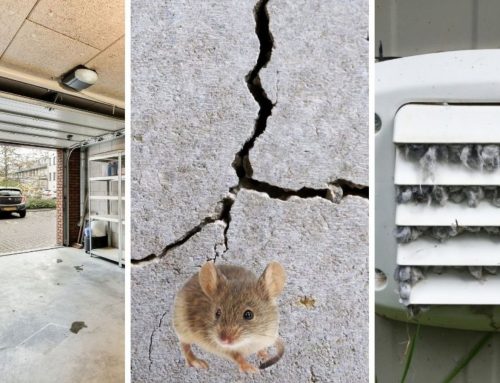
- Isolated droppings in storage or garage spaces
- Insect activity near windows after weather changes
In Lincoln and Omaha homes, these signs often appear weeks before a clear infestation pattern forms. The main issue is inconsistency. Early activity doesn’t behave like a stable problem yet.
From experience, repetition in the same location is more important than the type of pest seen.
AI Prediction Limits
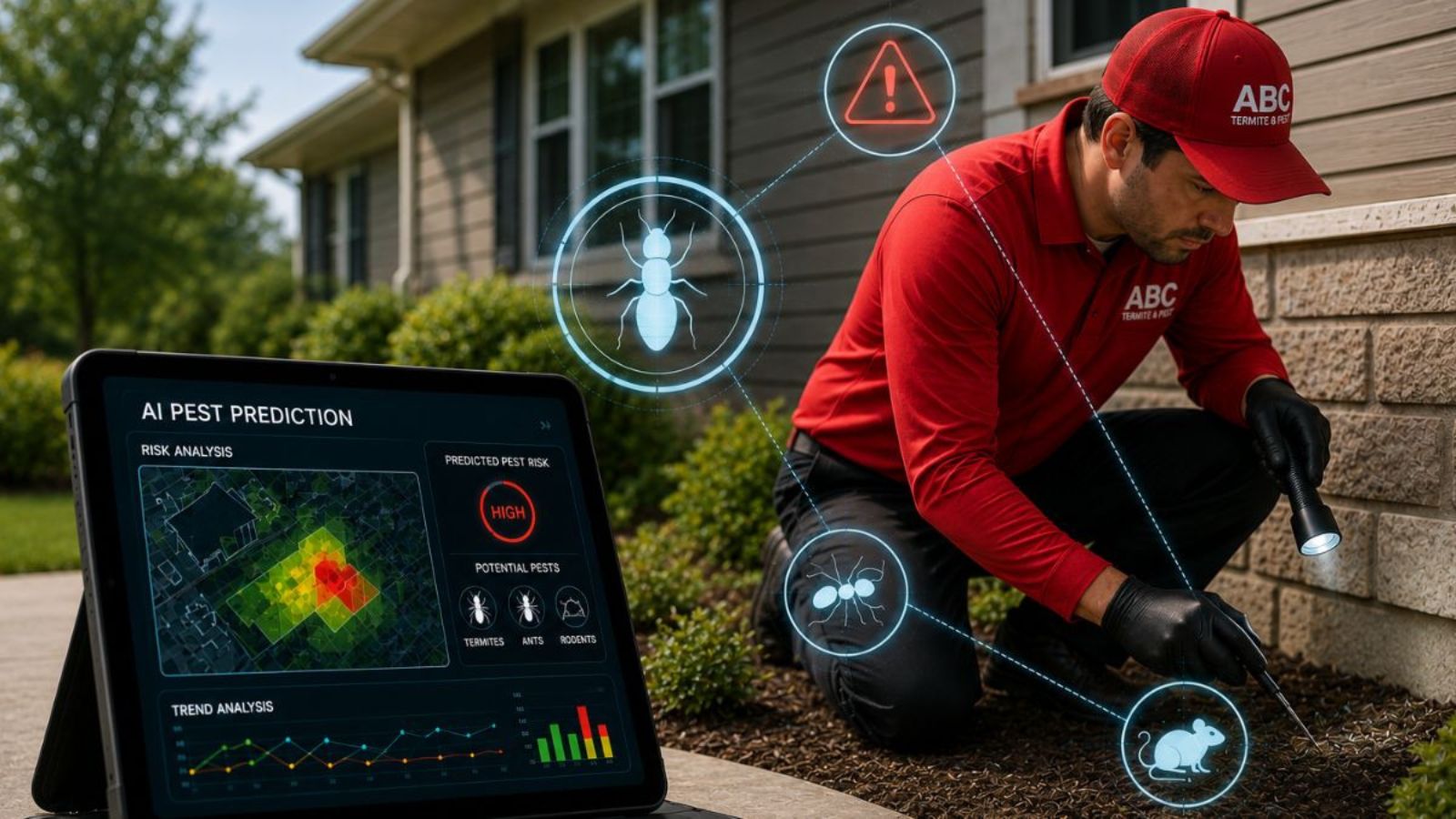
When discussing whether we can predict the next pest problem, technology is most effective at a regional level rather than a property level.
In Omaha and Lincoln, data tools can highlight:
- Seasonal rodent increases in colder months
- Ant activity spikes after rain and humidity changes
- Neighborhood-level pest trends
- Historical activity patterns across areas
Where limitations appear is inside the home. During inspections, we often find:
- Crawlspace conditions not captured in data
- Small foundation gaps that determine entry
- Local moisture pockets not reflected in trends
- Past repairs that change pest movement paths
A common field mismatch is when data shows “low risk,” but physical inspection reveals active conditions already forming. Data reads patterns; technicians read structure.
Moisture And Access
One of the strongest patterns across Omaha and Lincoln homes is that pest activity is driven less by timing and more by conditions inside the structure.
In inspections, recurring issues include:
- Damp crawlspaces with poor airflow
- Slow leaks behind walls or under sinks
- Poor drainage near foundations
- Unsealed utility or pipe entry points
- Vegetation touching exterior siding
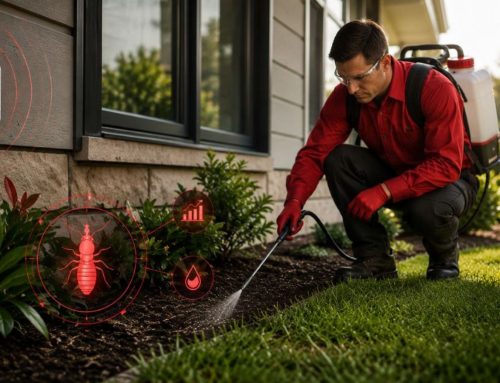
A key field insight is that pest problems often persist not because treatment failed, but because moisture or access points were not corrected.
Prediction tools struggle here because these conditions are physical, not statistical.
Monitoring Tools Use
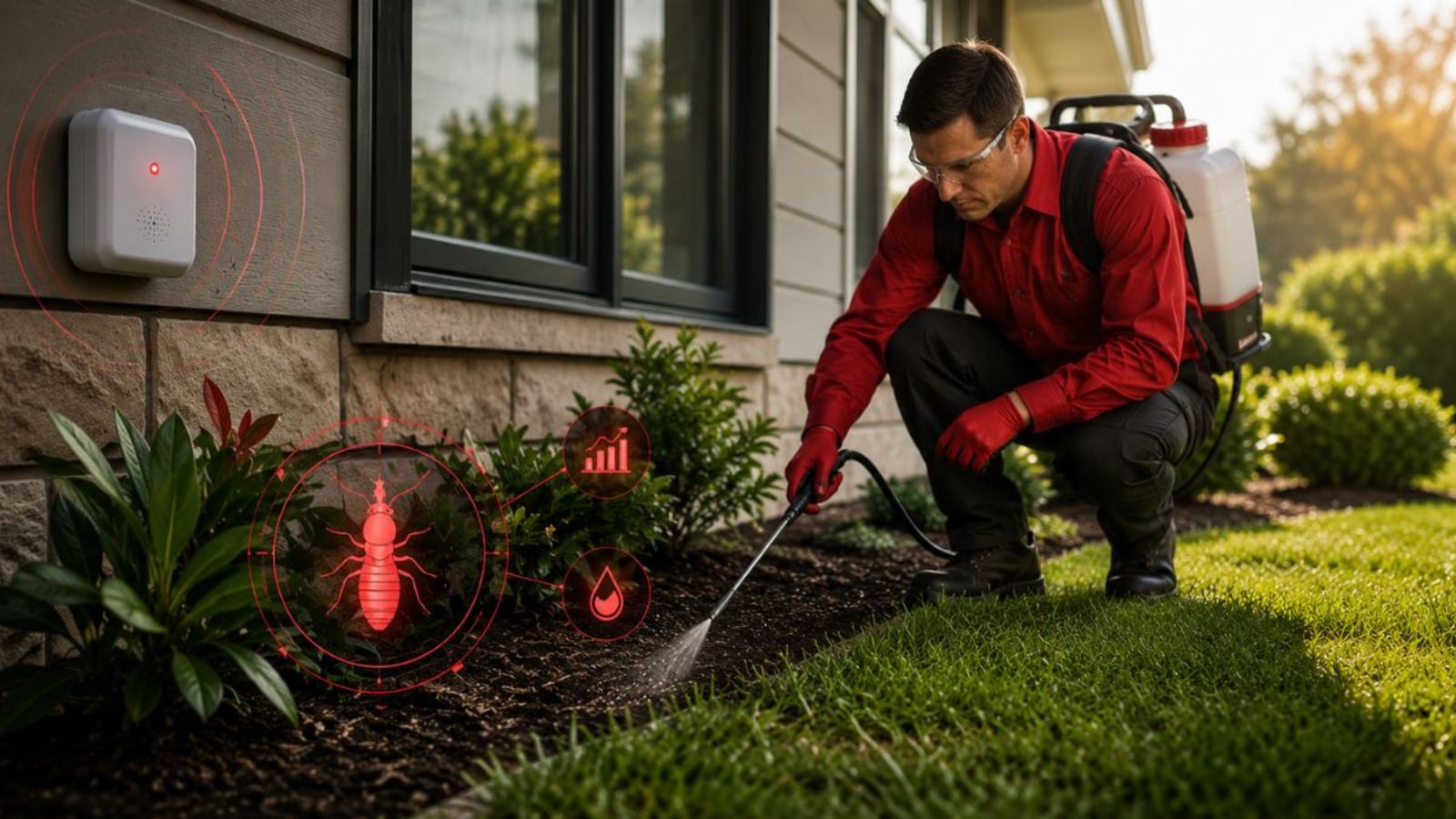
Modern pest control tools are increasingly used in Omaha and Lincoln homes, but their role is often misunderstood. They support inspections rather than replacing them.
Common applications include:
- Homes with recurring rodent activity
- Crawlspaces with suspected moisture issues
- Attics with intermittent noise reports
- Termite risk zones near foundations
What we consistently see is that monitoring tools work best when they support what is found during a physical inspection.
When both point in the same direction, it gives a clearer picture of the situation. If the results do not match, we trust the on-site inspection more than the tool readings.
What “Prediction” Really Means in Pest Control
After years of inspections, one conclusion becomes clear: pest activity is not random, but it is not precisely predictable either.
When we talk about the ability to predict the next pest problem, we are really identifying where conditions are becoming favorable, not forecasting exact infestations.
In Omaha, Lincoln, and surrounding areas, those conditions usually include:
- Ongoing moisture issues
- Unsealed entry points
- Seasonal shifts pushing pests indoors
- Nearby active infestations
- Heat- or moisture-retaining structures
Two homes can experience different outcomes under the same weather conditions. That is why prediction works better as a guide than a certainty.
Frequently Asked Questions
Can AI predict pest problems accurately?
No. AI can identify environmental patterns that may increase pest risk, but it cannot confirm what is happening inside a specific home. In practice, it is useful for spotting conditions, not diagnosing actual infestations.
Which pests are most predictable?
Rodents, ants, and termites are the most closely tied to environmental and seasonal changes. In Omaha and Lincoln, we often see their activity increase during predictable shifts in temperature and moisture.
Why do pests return after treatment?
In many cases, the original treatment addressed the visible activity but not the underlying cause. We often find that moisture issues or entry points were left unresolved, allowing pests to return.
Are monitoring tools necessary?
Not for every home. They are most useful in properties where pest activity keeps returning or where the source of the problem is not immediately clear during inspection.
What prevents pest problems best?
The most consistent results come from moisture control, sealing entry points, and maintaining regular inspections. From field experience, addressing conditions early is more effective than responding after activity appears.
Hire a Professional – ABC Termite & Pest Control Company – Omaha & Lincoln
If you’re concerned about pest infestations or want a professional to evaluate your home’s pest prevention strategies, don’t hesitate to reach out to a local Nebraska pest control expert.
Find a reputable pest control company in Omaha or Lincoln that you TRUST. Ask about their termite inspection and pest management services. You may think you are saving money; however, a single misapplication could have significant and adverse or deadly consequences for you or your loved ones. Contact ABC Termite & Pest Control in Omaha & Lincoln, NE to talk with an exterminator today!