Many homeowners think pest control means spraying large amounts of chemicals around the home. While that was common in the past, pest control methods have changed.
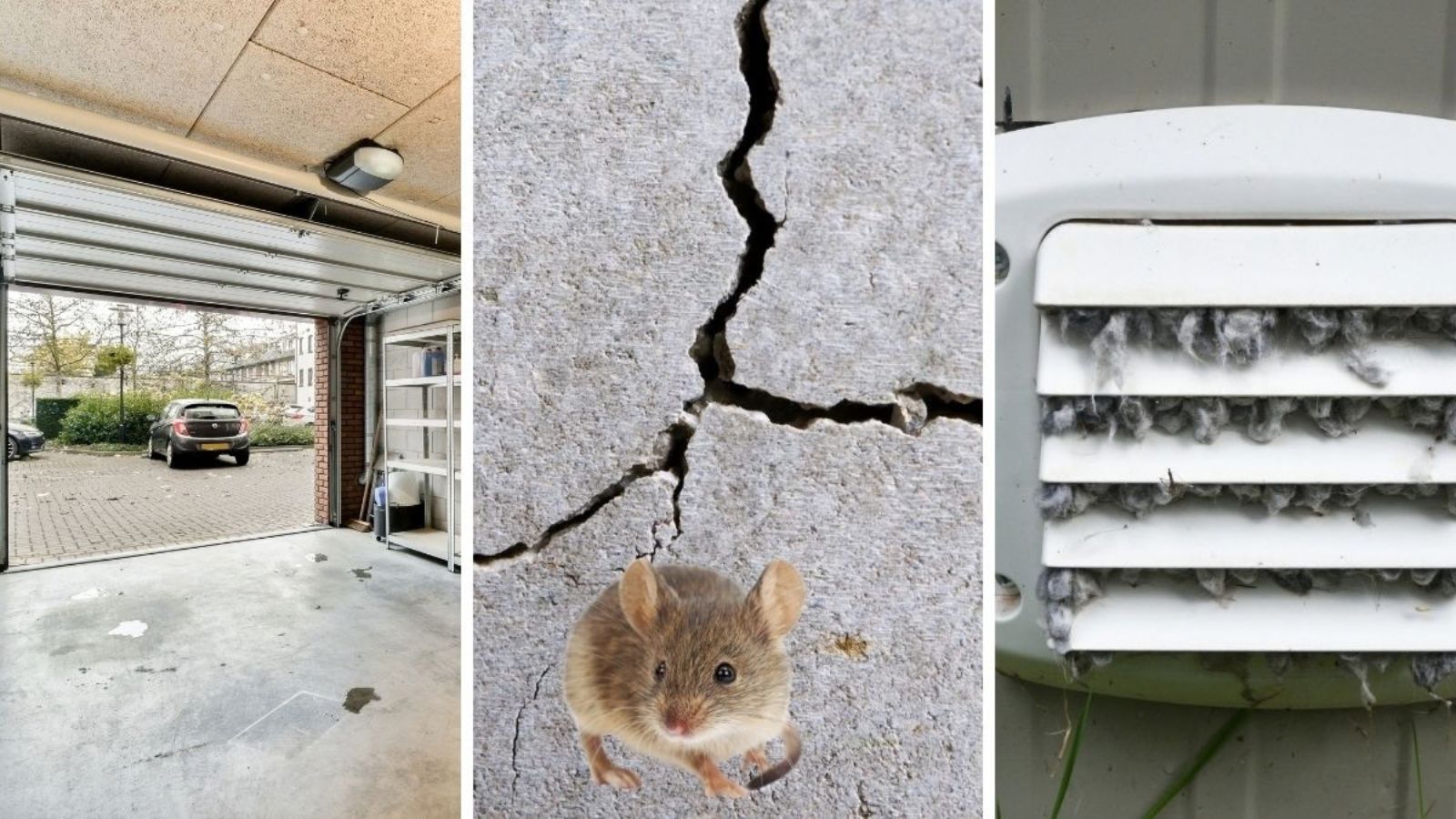
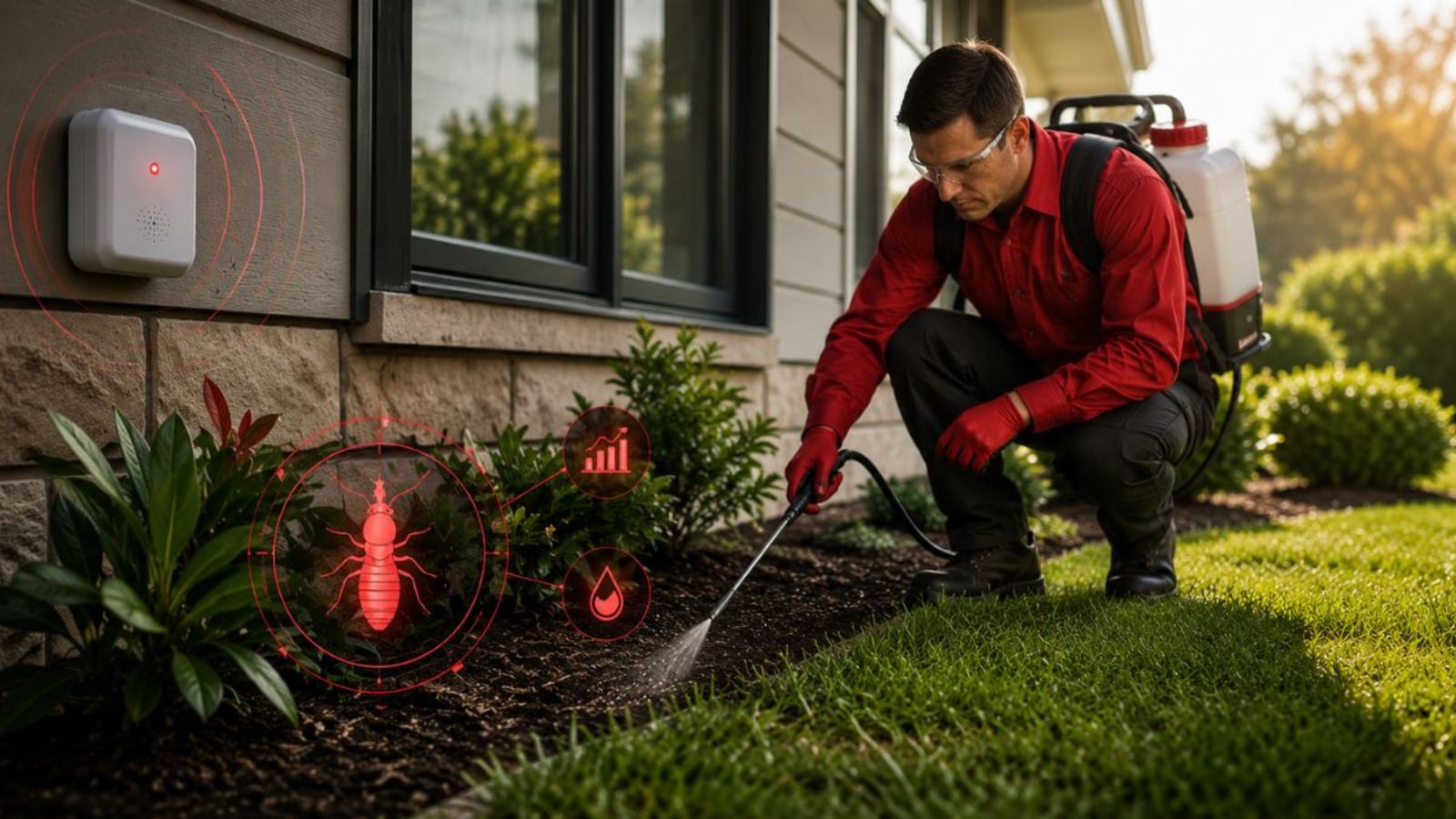
Today, smart sensors and targeted sprayers help pest professionals find problem areas and treat only the places that need attention. This helps reduce chemical waste while still controlling pests. Because of this, precision pest control is becoming a popular option for homeowners who want a more focused approach.
As new tools become available, homeowners can benefit from treatments that are more accurate and use fewer products.
How Pest Control Technology Has Changed
In the past, pest treatments often covered large areas to prevent future problems. While these treatments could work, they sometimes used more product than necessary.
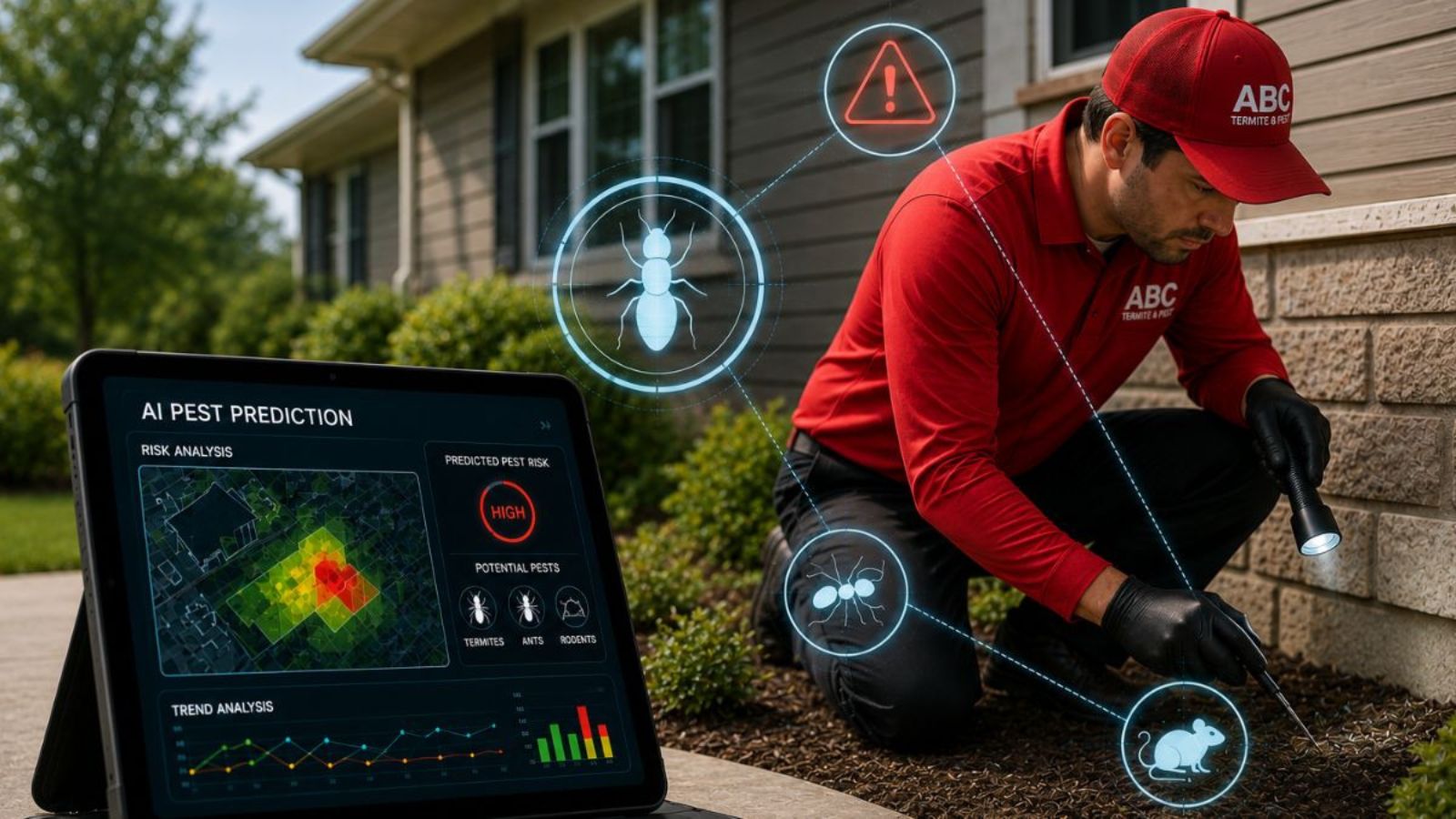
Pest professionals today can use monitoring tools and inspection equipment to learn more about conditions around a property before treatment begins.
This helps them make better decisions based on what is actually happening around the home. In many cases, precision pest control helps reduce guesswork and focus attention where it is needed most.
What Are Smart Sensors in Pest Management?
Smart sensors are devices that help detect pest activity and the conditions that attract pests. They can track movement, moisture, temperature, and other signs that may point to a developing problem.
Different types of sensors are used in pest control, including:
- Moisture sensors that detect damp areas in basements, crawl spaces, and walls where pests often gather.
- Termite monitoring sensors are placed near foundations to detect early termite activity in bait stations.
- Motion and vibration sensors that pick up movement from rodents in hidden areas like attics or wall spaces.
- Temperature and humidity sensors that track indoor conditions that may encourage pest activity.
- Infrared or thermal sensors that help detect pests hiding inside walls by picking up heat patterns.
- Smart trap sensors that send alerts when a pest is caught, allowing faster response.
- Acoustic sensors that listen for sounds like chewing or movement inside wood or drywall.
Why Moisture Monitoring Matters
Many pests are attracted to moisture-rich environments. Hidden leaks, excess humidity, and wet building materials can create ideal conditions for pests.
Smart moisture sensors can help identify:
- Plumbing leaks
- Crawl space moisture
- Foundation dampness
- Areas vulnerable to termite activity
- Condensation problems
Detecting moisture issues early allows homeowners to address conditions that may attract pests before infestations become more serious.
How Targeted Sprayers Improve Treatment Accuracy
Targeted sprayers are designed to apply products only where they are needed. Instead of treating large areas, professionals can focus on locations where pests are active or likely to enter.
This may include:
- Foundation gaps
- Entry points around doors and windows
- Termite-prone areas
- Nesting locations
- Specific structural vulnerabilities
By concentrating treatments in key locations, professionals can address pest activity more directly and avoid treating areas that show little or no risk.
Benefits of Reducing Chemical Waste
Using only the amount of product needed can provide several advantages for homeowners and pest professionals alike.
More Effective Treatments
Targeted treatment focuses on specific problem areas. Products perform best when applied directly where pest activity is present.
Less Product Use
Applying products only where pests are active can help reduce unnecessary applications. It also avoids spreading chemicals into areas that do not have pest activity.
Better Ongoing Monitoring
Regular monitoring tracks changes in pest activity over time. Treatment plans can be adjusted as new conditions appear.
A More Targeted Approach
Using fewer products while focusing on problem areas can help make pest management more efficient.
How Precision Pest Control Helps With Termite Management
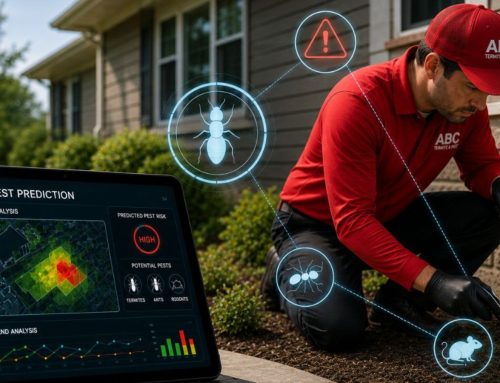
Termites often stay hidden for months or even years. By the time they are discovered, damage may already be present.
Termite management may include:
- Moisture monitoring
- Digital inspections
- Activity tracking
- Targeted treatments
- Ongoing monitoring
These tools can help spot moisture problems, hidden termite activity, and other warning signs earlier. With precision pest control, professionals can focus treatments on areas that need attention before larger problems develop.
Signs Your Home May Benefit From Advanced Monitoring
Not every pest issue is immediately visible. In many cases, monitoring technology can help uncover activity before major problems develop.
You may benefit from advanced monitoring if you notice:
- Recurring pest activity
- Unexplained moisture problems
- Evidence of termites
- Rodent sightings
- Pest issues returning after treatment
- Areas of the home that are difficult to inspect
Early detection often makes pest problems easier to manage and may reduce the extent of future treatments.
Why Precision Approaches Continue to Grow
As pest control technology evolves, more companies are adopting tools that support data-driven decision-making. Rather than relying on generalized treatment plans, professionals can gather information about specific conditions affecting a property.
This shift allows treatments to become more targeted while helping reduce chemical waste and improve overall efficiency.
For homeowners, that means pest management strategies that focus on early detection, ongoing monitoring, and solutions tailored to the property’s specific needs.
Frequently Asked Questions
Do smart sensors eliminate the need for pest treatments?
No. Sensors help detect and monitor pest activity, but treatment may still be necessary when pests are present. The technology simply helps professionals determine where and when action is needed.
Are targeted sprayers as effective as traditional treatments?
Targeted applications can be highly effective when used in the appropriate locations. The goal is to focus treatments where pests are active instead of applying products unnecessarily.
Can smart sensors detect termites?
Some monitoring systems can help identify conditions associated with termite activity or detect movement within monitoring stations. These tools are often used alongside professional inspections.
Does precision pest control use fewer chemicals?
In many situations, precision-based approaches can reduce unnecessary product use because treatments are directed toward specific problem areas rather than broad applications.
Are these technologies used for residential properties?
Yes. Many modern pest control companies use monitoring devices, moisture detection tools, and targeted treatment methods in residential settings to improve accuracy and support long-term pest management.
Hire a Professional – ABC Termite & Pest Control Company – Omaha & Lincoln
If you’re concerned about pest infestations or want a professional to evaluate your home’s pest prevention strategies, don’t hesitate to reach out to a local Nebraska pest control expert.
Find a reputable pest control company in Omaha or Lincoln that you TRUST. Ask about their termite inspection and pest management services. You may think you are saving money; however, a single misapplication could have significant and adverse or deadly consequences for you or your loved ones. Contact ABC Termite & Pest Control in Omaha & Lincoln, NE to talk with an exterminator today!