Mice can get into an Omaha home through gaps that are easy to overlook, from a worn garage-door seal to an opening around a utility line. By the time mouse droppings or scratching are noticed indoors, the entry point may be several feet or even several rooms away.
Knowing the common entry points of mice helps homeowners focus an inspection on the locations most likely to provide access. Foundations, doors, garages, vents, utility openings, and rooflines all deserve attention when looking for a way inside.
Common Entry Points of Mice Around the Foundation
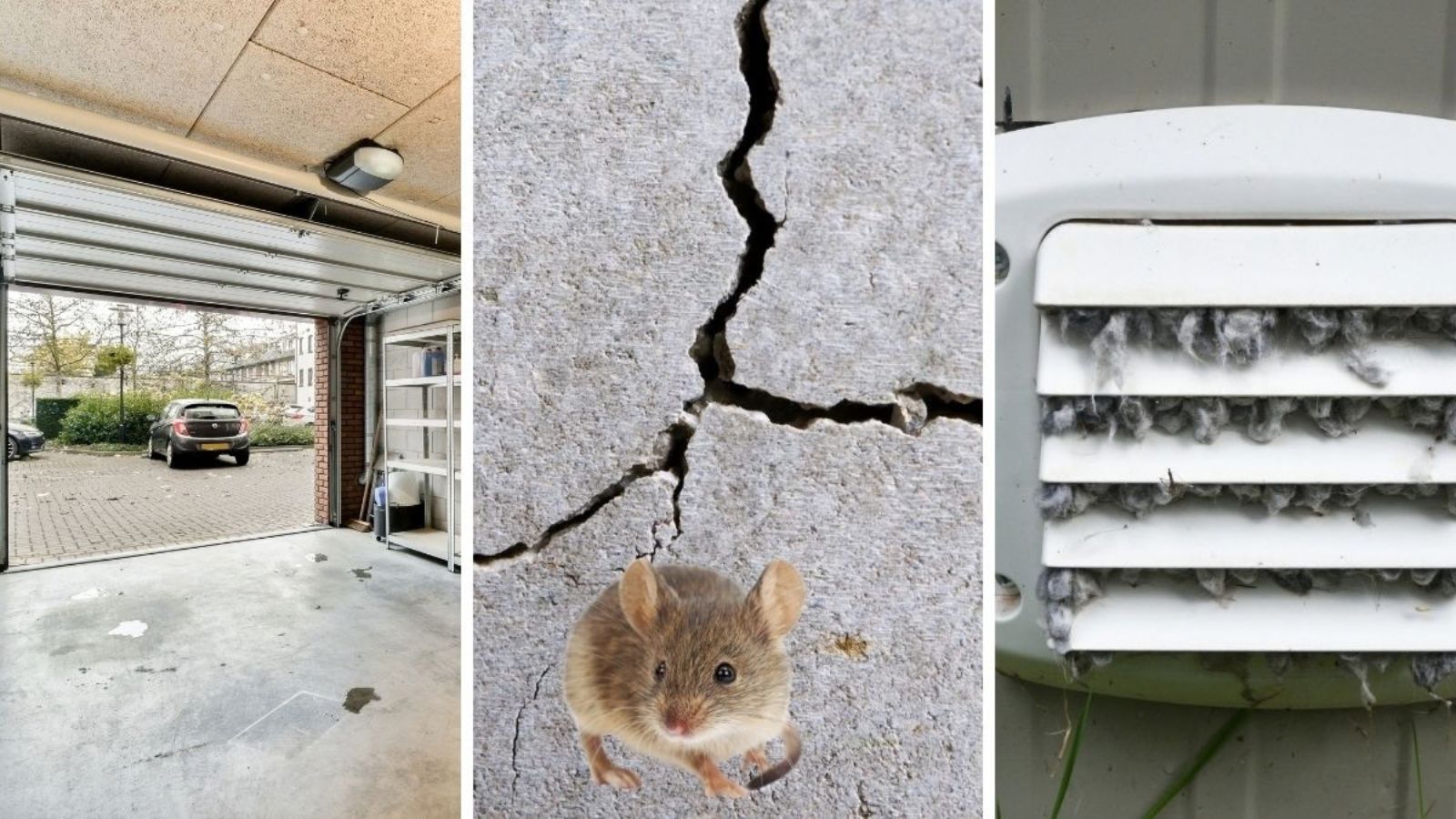
A foundation inspection is a useful place to start when mice are getting into a house. Small cracks and openings can provide access to lower areas, especially around older sections of the structure.
A mouse does not need a large hole to enter. Check for:
- Cracks near the foundation
- Openings around basement windows
- Spaces beneath siding
- Gaps where building materials meet
- Gaps around foundation joints
An opening near a basement or crawl space may provide access to areas that are difficult to inspect from inside.
Doors and Garages Create Low-Level Openings
Exterior doors and garage doors are exposed to constant use. Over time, door sweeps and weatherstripping can become damaged, compressed, or loose.
Areas worth checking include:
- The bottom edge of exterior doors
- Garage door seals
- Damaged weatherstripping
- Basement entry doors
- Gaps around door frames
A gap that seems insignificant from several feet away can look different when viewed from floor level.
Garage doors deserve particular attention because their seals repeatedly meet the driveway or garage floor. Uneven surfaces, wear, or damage can create spaces along the bottom edge.
Utility Openings Can Be Easy to Miss
Homes need openings for plumbing, electrical lines, air-conditioning equipment, internet cables, and other utilities.
The pipe or cable may be properly installed while the surrounding opening remains partially exposed.
Check around:
- Water and gas lines
- Electrical conduits
- Air-conditioning lines
- Cable connections
- Plumbing penetrations
These locations are easy to overlook because they may be behind equipment, landscaping, or other exterior features.
A small gap around a utility line can connect to a larger concealed space inside a wall. Utility penetrations are among the common entry points for mice.
Exterior Vents Need Intact Screens
Exterior vents provide necessary airflow, but their screens and covers also keep rodents from entering enclosed areas.
Damage can occur from weather, animals, age, or physical impact. Look at:
- Foundation vents
- Dryer vents
- Exhaust openings
- Other screened exterior vents
A vent can function normally while still becoming an access point if its screen or cover is damaged.
Rooflines Can Hide Entry Points
Not every mouse enters at ground level. Gaps around soffits, roof edges, attic vents, and other upper portions of the house can also provide access.
When inspecting upper areas, look for:
- Damaged soffits
- Gaps around roof penetrations
- Loose attic vent covers
- Openings where exterior materials meet
- Damaged roof edges
Upper-level openings deserve attention when signs appear in an attic, ceiling, or other elevated part of the home.
Landscaping Can Hide Mouse Entry Points
Landscaping does not automatically cause a mouse problem, but vegetation and stored materials can make exterior openings harder to inspect.
Shrubs can block views of the foundation, while leaves, mulch, and debris can cover areas that need regular inspection.
After yard work, check:
- Foundation walls behind shrubs
- Areas beneath windows
- Spaces around basement entrances
- Gaps hidden by vegetation
- Debris collected against the structure
Keeping these areas accessible makes potential openings easier to identify and maintain.
Mouse Activity Does Not Always Show the Entry Point
Finding mouse evidence inside the home does not automatically reveal where the animal entered. Droppings, scratching, nesting material, and gnawing can show where mice are active, but those signs may appear in different areas of a house from the original opening.
For example, activity inside a kitchen cabinet could be connected to a mouse that entered through a garage or utility opening and traveled through a wall or another concealed area.
A professional inspection looks for a connected route rather than treating one sign as proof of the entry point.
Pay attention to:
- Repeated activity in the same area
- Droppings along walls or inside cabinets
- Gnawing near openings
- Nesting material in enclosed spaces
- Scratching sounds from walls or ceilings
When several signs point toward the same area, they can help narrow the investigation.
A Simple Exterior Check Can Narrow the Search
Homeowners can perform a basic perimeter check without inspecting every part of the structure at once.
Potential common entry points for mice include areas where seals, screens, or surrounding materials have deteriorated.
Check:
- Foundation and basement areas
- Exterior and garage doors
- Utility penetrations
- Vents and screens
- Windows and entry doors
- Soffits and roofline openings
Do not seal every opening automatically. Some gaps may provide necessary ventilation or drainage and require an appropriate repair instead.
If you find a potential opening, note its location and check the surrounding area for additional signs. One opening may not explain all the activity inside.
Sealing May Not Be Enough
Sealing an accessible opening can help prevent future entry, but it does not necessarily remove mice already inside the structure.
Professional pest control may be appropriate when there is:
- Repeated mouse activity
- Droppings in multiple areas
- Scratching in walls or ceilings
- Signs of nesting
- Activity that continues after gaps are repaired
- No clear explanation for how mice are entering
An inspection can help determine whether the problem involves an exterior entry point, concealed travel route, active infestation, or several conditions together.
The goal is to address both the access point and the mice already using the structure.
Frequently Asked Questions
What are the most common places mice enter a home?
Mice often enter through gaps around foundations, doors, garages, utility lines, vents, windows, soffits, and rooflines. Damaged seals, screens, or areas where building materials meet can make these openings easier to access.
How do mice get through foundation gaps?
Small cracks, gaps around basement windows, and spaces where building materials meet can provide access to lower areas of a home. Openings near basements or crawl spaces can also connect to concealed areas inside the structure.
How do mice enter through garages?
Mice may use gaps beneath garage doors, damaged seals, spaces around entry doors, or other openings in the garage. Uneven surfaces beneath the garage door can also prevent the seal from closing tightly.
How do utility openings allow mice inside?
Gaps around plumbing, electrical lines, cables, and air-conditioning equipment can provide access into walls or other concealed spaces. These openings may be easy to overlook because they are often hidden behind equipment or exterior features.
Where should homeowners look for entry points around the roof?
Check soffits, attic vents, roof edges, roof penetrations, and areas where exterior materials meet for gaps or damage. Upper-level openings deserve attention when mouse activity appears in an attic or ceiling.
Hire a Professional – ABC Termite & Pest Control Company – Omaha & Lincoln
If you’re concerned about pest infestations or want a professional to evaluate your home’s pest prevention strategies, don’t hesitate to reach out to a local Nebraska pest control expert.
Find a reputable pest control company in Omaha or Lincoln that you TRUST. Ask about their termite inspection and pest management services. You may think you are saving money; however, a single misapplication could have significant and adverse or deadly consequences for you or your loved ones. Contact ABC Termite & Pest Control in Omaha & Lincoln, NE to talk with an exterminator today!