
Fall cleanup can make a property look less inviting to pests while creating new opportunities for them. A pile of leaves gets moved beside the garage. Firewood is stacked closer to the back door. Shrubs are cut back, revealing gaps that were previously hidden.
These tasks are routine. The problem develops when landscaping materials, vegetation, or debris end up too close to the structure and provide pests with shelter or access.
These changes can also influence pest control during fall landscaping. The objective is not to eliminate every insect outdoors. It is to prevent seasonal yard work from making the home easier for pests to reach or enter.
Pest Control During Fall Landscaping Starts Outside
A common assumption is that fall yard work naturally reduces pest activity. Cooler temperatures can slow some pests, but seasonal changes can also cause insects and other pests to seek protected locations.
The changes worth watching during fall landscaping for effective pest control include:
- Leaves accumulating beside the foundation
- Mulch becoming heavily concentrated near exterior walls
- Shrubs touching siding or windows
- Firewood stored next to the house
- Branches and debris collecting around entry points
The important factor is not simply whether these materials are present. Their position can affect how easily pests find shelter or approach the structure.
After major yard work, a quick walk around the property can reveal conditions that changed during cleanup.
Leaf Placement Matters After Cleanup
Removing leaves is an important part of fall yard maintenance, but where they end up can affect conditions around the house.
A pile at the edge of the lawn is different from damp leaves pressed against a foundation wall. Organic debris beside the structure can also cover areas where pest activity or small openings would otherwise be visible.
After leaf cleanup, check:
- Foundation walls beneath windows
- Basement entrances
- Exterior vents
- Spaces beneath shrubs
- Corners where debris collects
The goal is not to remove every leaf from the property. It is to keep accumulated debris from creating a damp, concealed area directly beside the structure.
Mulch and Shrubs Can Hide Pest Activity
Mulch and vegetation create another concern because they can make exterior areas difficult to examine.
A thick mulch bed can cover the lower portion of a foundation. Dense shrubs can block views of siding, vents, windows, and other areas where pest activity may occur.
Conditions worth correcting include:
- Mulch built up against foundation walls
- Shrubs contacting siding
- Vines covering exterior surfaces
- Branches resting against the structure
- Vegetation blocking inspection areas
Trimming vegetation does not eliminate pests. Its practical benefit is better access to the exterior and fewer concealed areas around the building.
Mulch can remain part of a landscape when properly maintained, but excessive buildup can make pest-related conditions harder to notice.
Firewood Creates a Separate Pest Risk
Firewood deserves special attention because the material itself can carry insects toward the home.
As temperatures fall, firewood is often moved closer to a back door or garage. Wood can contain insects beneath bark or inside cracks that are difficult to spot during a quick check.
Before storing firewood, look for:
- Loose or damaged bark
- Small insect exit holes
- Sawdust or wood fragments
- Decaying sections
- Wood placed directly against the structure
Firewood is better stored elevated from the ground and away from exterior walls. Only the amount needed for immediate use should be brought indoors.
Unlike leaves or mulch, firewood can physically transport insects from an outdoor location into a protected area.
Yard Work Can Reveal Entry Points
Fall landscaping can also expose a structural problem that was already present.
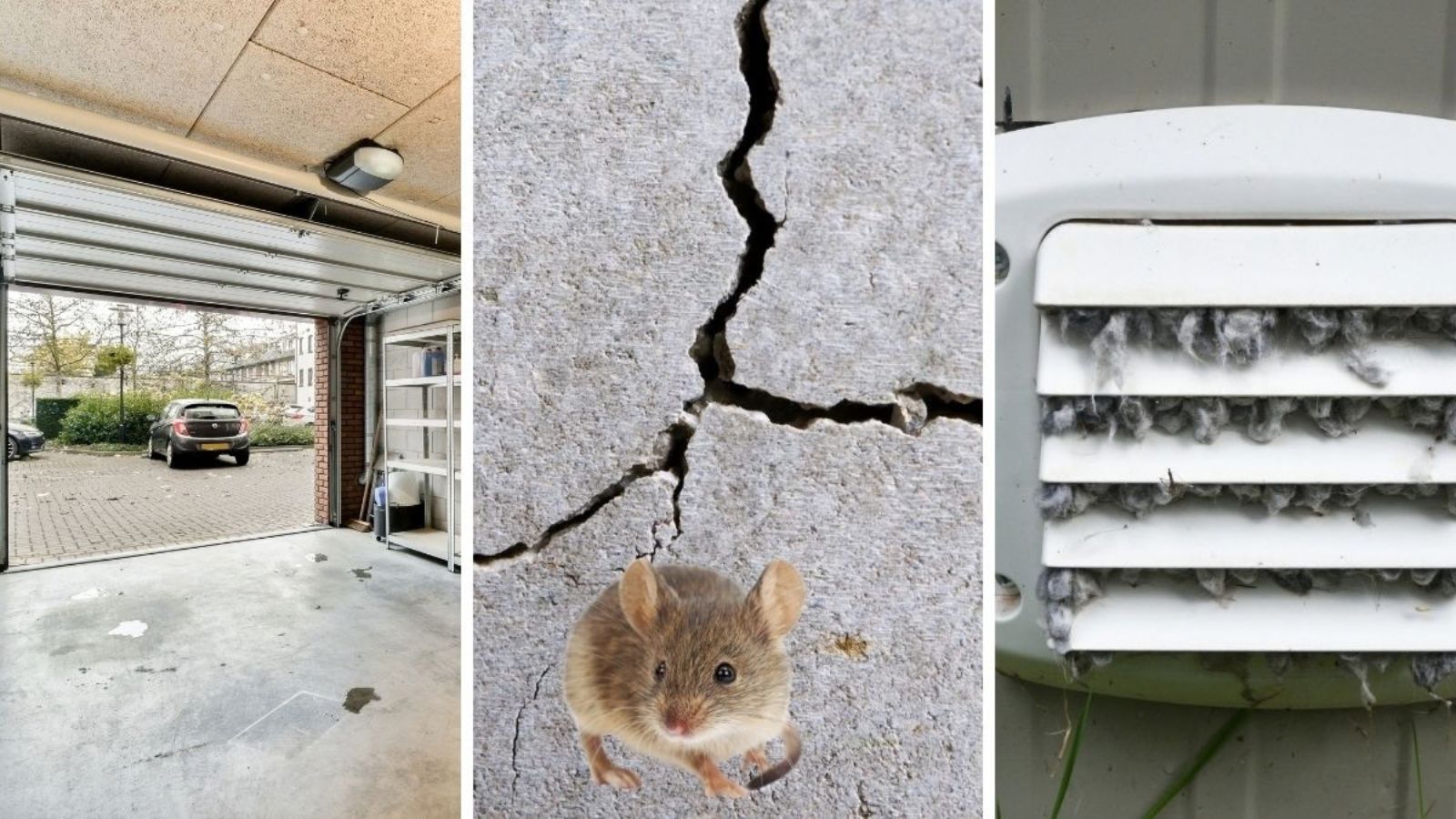
Moving mulch may uncover a foundation crack. Trimming a shrub can reveal a gap around a utility line. Clearing leaves from a basement entrance may expose a damaged door sweep.
This distinction matters because pest treatment does not correct a structural opening.
After landscaping work, check newly exposed areas for:
- Foundation cracks
- Gaps around utility penetrations
- Damaged door sweeps
- Torn screens
- Openings around vents
- Spaces beneath exterior doors
A small opening can become more significant when pests begin searching for protected locations. If activity appears near one of these areas, the location can help identify how the pest is entering.
What to Check After Fall Landscaping
A short perimeter check after yard work can catch conditions overlooked during cleanup.
The process can be kept simple:
- Walk around the foundation and look for accumulated leaves or excessive mulch.
- Check areas previously covered by shrubs or ground vegetation.
- Confirm that firewood is not touching the structure.
- Examine doors, screens, vents, and visible utility openings.
- Look for unusual pest activity around windows and other exterior openings.
A single insect does not necessarily indicate an indoor infestation. Seasonal pests can appear outdoors without establishing themselves inside.
More attention is warranted when activity continues, occurs indoors, or repeatedly appears around a particular part of the structure.
When Cleanup Is Not Enough for Pest Control
Cleanup and landscaping adjustments can support pest control during fall landscaping, but they cannot resolve every pest problem.
Professional evaluation is more appropriate when there is:
- Repeated pest activity inside the home
- Rodent evidence in garages, attics, or storage areas
- Persistent activity around the foundation
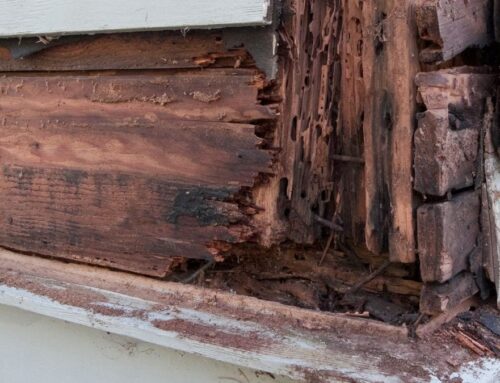
- Evidence of termites or wood damage
- Continued activity after repairs
- Unclear pest activity cause
An inspection can help determine whether the landscape, structure, moisture conditions, entry points, or an active infestation is contributing to the problem.
Frequently Asked Questions
Can fall weather alone cause pests to enter a house?
Weather can influence pest movement when temperatures become less favorable outdoors. However, entry also depends on available shelter and openings in the structure. A weather change does not automatically mean an indoor infestation will develop.
Does new mulch need to be treated for pests?
Not necessarily. Mulch should not automatically be treated simply because it has been added to a landscape. Proper placement, reasonable depth, and access to the foundation for inspection are more important considerations.
Can insects in firewood damage the house?
Most insects found in firewood do not become structural pests after being brought indoors. However, some wood-boring insects can emerge from stored wood, which is one reason firewood should remain outside until needed.
Why can trimming shrubs increase pest activity?
Trimming itself does not attract pests. It can disturb insects sheltering in vegetation, temporarily making their activity more noticeable. Newly exposed gaps may also reveal an existing route into the structure.
What if pests keep appearing after landscaping?
Check the area where activity occurs, along with nearby doors, windows, vents, foundations, and landscaping materials. Persistent activity may warrant a professional inspection to determine whether an entry point or established pest issue is involved.
Hire a Professional – ABC Termite & Pest Control Company – Omaha & Lincoln
If you’re concerned about pest infestations or want a professional to evaluate your home’s pest prevention strategies, don’t hesitate to reach out to a local Nebraska pest control expert.
Find a reputable pest control company in Omaha or Lincoln that you TRUST. Ask about their termite inspection and pest management services. You may think you are saving money; however, a single misapplication could have significant and adverse or deadly consequences for you or your loved ones. Contact ABC Termite & Pest Control in Omaha & Lincoln, NE to talk with an exterminator today!