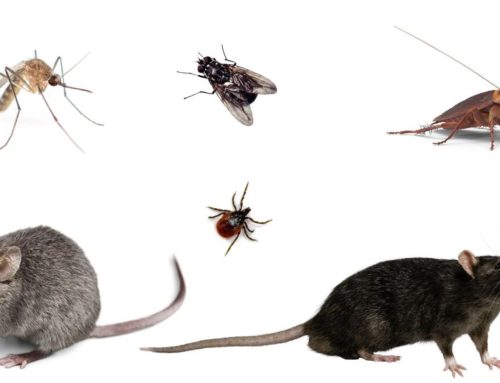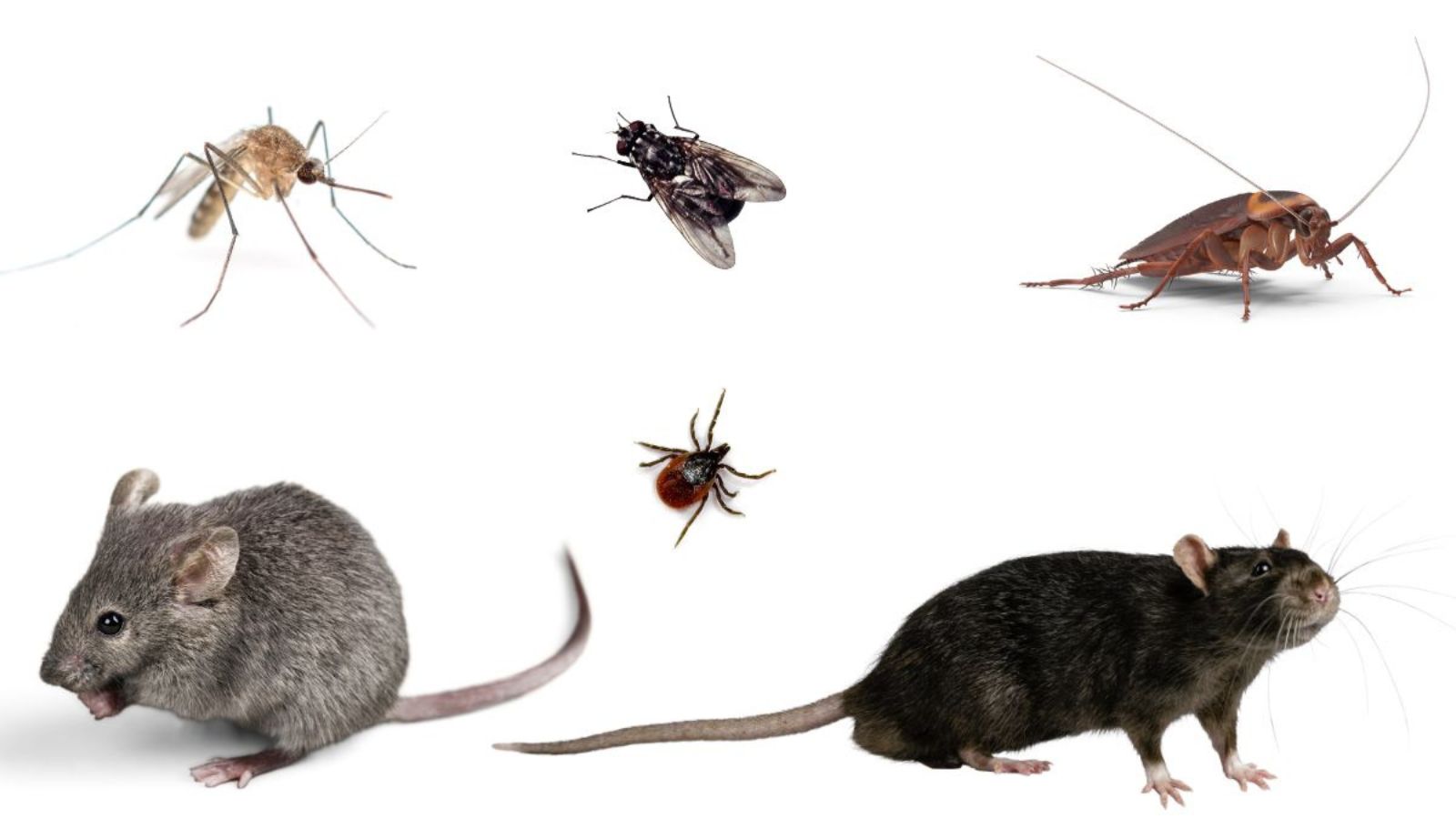

Home pest entry points in spring often begin as small cracks, gaps, and unsealed joints that seem harmless during colder months. As warmer weather sets in, these openings allow ants, spiders, and other seasonal pests to move indoors in search of food, moisture, and shelter. Identifying and sealing common entry points early helps protect your home from infestations and prevents damage caused by moisture and nesting insects.
This guide explains the most common home pest entry points in spring and how to seal them effectively using exterior-grade materials. From doors and windows to vents and siding, each small repair strengthens your home’s defenses and supports a cleaner, healthier living environment.
Why Small Cracks Matter More in Spring
As temperatures rise, spring pests become more active and begin scouting for nesting and feeding areas. Home pest entry points such as unsealed window gaps, foundation cracks, or worn door seals provide easy access indoors. Warm air, interior lighting, and food odors attract insects, while spring rain and soil movement can widen existing cracks and create new openings.
Even tiny gaps can allow ants, gnats, beetles, spiders, and other pests inside. Addressing these vulnerabilities early helps keep pests outdoors, improves energy efficiency, and reduces the risk of long-term structural or moisture-related damage.
Where to Look for Common Entry Points of Home Pests
A thorough inspection of both exterior and interior surfaces helps uncover potential pest access points. Paying close attention to these areas can prevent infestations before they spread.
Around Windows and Doors
Loose seals, cracked caulk, and worn weatherstripping are among the most common home pest entry points in spring. Temperature changes cause materials to expand and contract, creating small gaps insects can easily pass through.
Door thresholds, sliding door tracks, basement windows, and window sills should be inspected and resealed as part of routine seasonal maintenance.
Foundation and Utility Openings
Hairline foundation cracks and utility penetrations provide hidden access routes for pests. Gaps around air conditioning lines, garden spigots, gas lines, and cable wiring are often overlooked but frequently used by insects.
Sealing these areas early in the season helps prevent recurring pest activity, especially in homes near mulch beds, landscaping, or wooded areas.
Rooflines, Soffits, and Attic Vents
Upper areas of the home often go unchecked but can serve as major pest entry points. Damaged vent screens, loose fascia boards, or small roofline gaps can allow insects, birds, or small animals into attic spaces.
Inspecting these areas safely, or with professional assistance, helps keep pests out from top to bottom.
Exterior Walls and Siding
Separated siding panels, missing mortar joints, and cracks around exterior outlets can act as subtle pest openings. Spring moisture and shifting soil can worsen these gaps.
Repairing and resealing siding joints with durable exterior caulk reinforces the home’s barrier against seasonal invaders.
How to Seal Cracks and Gaps Effectively
Sealing home pest entry points in spring requires the right materials and techniques for different surfaces and gap sizes.
Use Exterior Caulk
Exterior-grade silicone or latex caulk works well for cracks smaller than ¼ inch. Apply a continuous bead along window frames, door trim, siding seams, and other joints to block insect entry and accommodate temperature changes.
Add Expanding Foam
Pest-resistant expanding foam fills irregular gaps around pipes, cables, and utility penetrations. Once cured, it blocks airflow and insect access. Cover exposed foam with mesh or caulk to protect it from UV exposure and moisture.
Replace Weatherstripping
Damaged or compressed weatherstripping allows pests to enter around doors and windows. Replacing it improves energy efficiency and blocks a common home pest entry point in spring. Door sweeps are especially effective at sealing gaps along thresholds.
Install Vent Screens
Fine stainless-steel mesh or hardware cloth can be installed over exterior vents and attic openings without restricting airflow. This prevents insects and small animals from using vents as direct entry paths.
Repair Screens and Surfaces
Torn window screens, crumbling mortar, and damaged siding can worsen over time. Replacing screen mesh and repointing mortar joints restores the home’s physical defenses ahead of peak pest activity.
Ongoing Prevention and Inspection Tips
- Keep mulch, stacked firewood, and yard debris at least one foot away from exterior walls
- Trim shrubs and tree branches so they do not touch siding or rooflines
- Ensure gutters and downspouts direct water away from the foundation
- Schedule seasonal inspections to identify new home pest entry points in spring and seal them promptly
Consistent upkeep helps maintain sealing work year after year and reduces the effort needed to prevent infestations.
Frequently Asked Questions
What are the most common home pest entry points in spring?
Frequent sources include cracks near windows and doors, openings where utilities enter, damaged roof vents, and worn foundation lines. Even a quarter-inch gap can welcome ants, roaches, or spiders indoors.
How often should cracks and gaps be sealed?
Exterior surfaces should be checked at least twice yearly. Inspect once in early spring and again before winter to spot any new cracks that might let pests back in.
Which materials are best for long-term sealing?
Exterior silicone or latex caulks provide durability for narrow gaps, while expanding foam suits larger voids. Both are resistant to moisture and temperature changes.
Does sealing stop pests completely?
Sealant work drastically reduces visible pest activity, though regular sanitation and exterior maintenance are also essential. A combination of both keeps the interior protected throughout the season.
When is the right time to seal for spring pests?
Early spring is ideal, before insect populations surge. Inspecting and closing home pest entry points in spring prevents problems from developing later during warmer months.
Hire a Professional – ABC Termite & Pest Control Company – Omaha & Lincoln
If you’re concerned about pest infestations or want a professional to evaluate your home’s pest prevention strategies, don’t hesitate to reach out to a local Nebraska pest control expert.
Find a reputable pest control company in Omaha or Lincoln that you TRUST. Ask about their termite inspection and pest management services. You may think you are saving money; however, a single misapplication could have significant and adverse or deadly consequences for you or your loved ones. Contact ABC Termite & Pest Control in Omaha & Lincoln, NE to talk with an exterminator today!