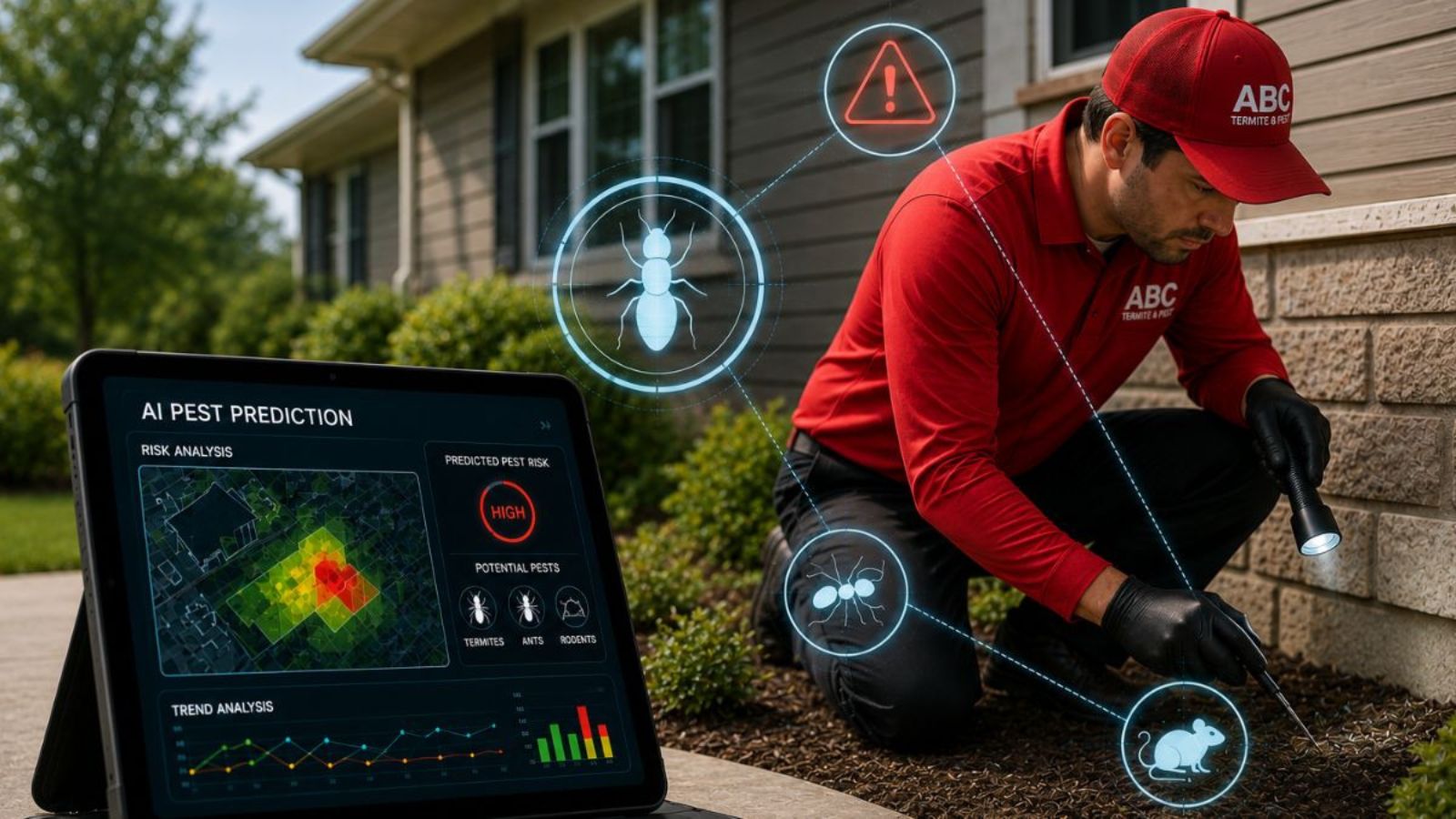

Pest control services are often needed when pest problems arise, and choosing the right approach can determine long-term success. Store-bought sprays can kill visible bugs quickly. Professional pest control usually delivers longer-lasting and safer results by targeting nests, using residual products, and preventing return infestations.
If handling a small, one-time sighting, DIY products and traps can make sense and save money. For ongoing pest infestation, hidden nests, or pests that create health risks, store-bought options often fall short. A trained technician uses targeted treatments and ongoing plans to control the problem more effectively.
Store-Bought Pest Treatments vs. Professional Pest Control: Key Differences and Effectiveness
If you’re dealing with pests, you may be wondering whether a store-bought treatment is enough or if you need a professional. For a small, isolated issue, DIY products can sometimes help. But for recurring pests, hidden infestations, or pests that pose health or property risks, professional pest control usually delivers better long-term results.
If you’re looking for pest control companies in Omaha, NE, ABC Termite & Pest Control can inspect the problem and recommend a treatment plan that fits your home.
Store-Bought Pest Treatments and DIY Pest Control
Store-bought products let homeowners act quickly and cheaply for common household pests. Many options exist for ants, roaches, mice, and spiders, but effectiveness depends on proper identification and application.
Types of Store-Bought Pest Control Products
Store-bought pest control includes several types: aerosol sprays, baits, powders, granules, foggers, and sticky traps.
- Aerosol sprays kill visible insects on contact and are useful for spot pest control treatments.
- Baits attract pests like ants and rodents, carrying poison back to nests to disrupt colonies over a period of time.
- Powders (e.g., diatomaceous earth, insecticidal dusts) adhere in cracks and behind baseboards.
- Granules treat yards and foundations, reducing outdoor pest activity.
- Foggers release a mist but often miss hidden nests.
- Sticky traps help monitor pest activity without chemicals.
- Choice depends on the types of pests, where they hide, and how long protection is needed.
Strengths and Limitations of DIY Pest Solutions
DIY pest control can work for small, simple problems like a few ants or a single mouse. It allows prevent pests strategies, such as sealing entry points and using traps or baits.
Limitations appear with hidden or widespread infestations. Store-bought products may only treat symptoms and not the root cause. Misidentifying pests can lead to ineffective choices. Persistent problems such as termites or bed bugs often require pest control professionals.
Safety Considerations and Common Misapplications
Managing pest problems safely is crucial to protect people, pets, and plants. Key safety tips and common misapplications include:
- Follow product instructions and PPE guidance. Use gloves, masks, and proper ventilation when handling aerosols or powders.
- Avoid overusing sprays and foggers. Repeated applications can leave harmful residues and increase health risks.
- Place baits carefully. Keep out of reach of children and pets.
- Target nests, not just visible pests. Spraying only what is seen often fails to control the infestation.
- Use products appropriately. Indoor products outdoors (or vice versa) can reduce effectiveness.
- Foggers are rarely effective for bed bugs. Hidden pests require targeted pest control methods.
- Choose safer options. Use low-toxicity products, mechanical traps, and exclusion methods to control pests. Sealing cracks or entry points can help prevent pests from returning.
Professional Pest Control Services in Omaha
Professional pest control is usually more effective because it focuses on the source of the infestation, not just the visible pests. A trained technician can identify the pest species, locate nesting or breeding areas, and use targeted treatments that are stronger and more precise than most retail products.
Professionals also understand which methods are best for different pests. For example, some problems respond best to baiting, while others require perimeter treatments, dust applications, or exclusion work. In many cases, a pest control company in Omaha can also help prevent future problems by addressing the conditions that attract pests in the first place.
How Omaha Pest Control Companies Treat Infestations
Professional exterminators use professional-grade products not available in stores, including concentrated insecticides and RUP (restricted-use pesticides) applied at precise rates. Products are chosen based on the types of pests, such as specific baits for carpenter ants or residual sprays for cockroaches.
Treatments focus on where pests hide, such as cracks, voids, baseboards, and perimeter areas, to create a long-lasting barrier and reduce reinfestation. Targeted methods like gel baits, dust in wall voids, and spot applications limit chemical use while improving effectiveness.
Safety and label compliance are strictly followed, with technicians wearing protective gear to lower health risks for people and pets while maximizing control.
Comprehensive Strategies: IPM and Monitoring
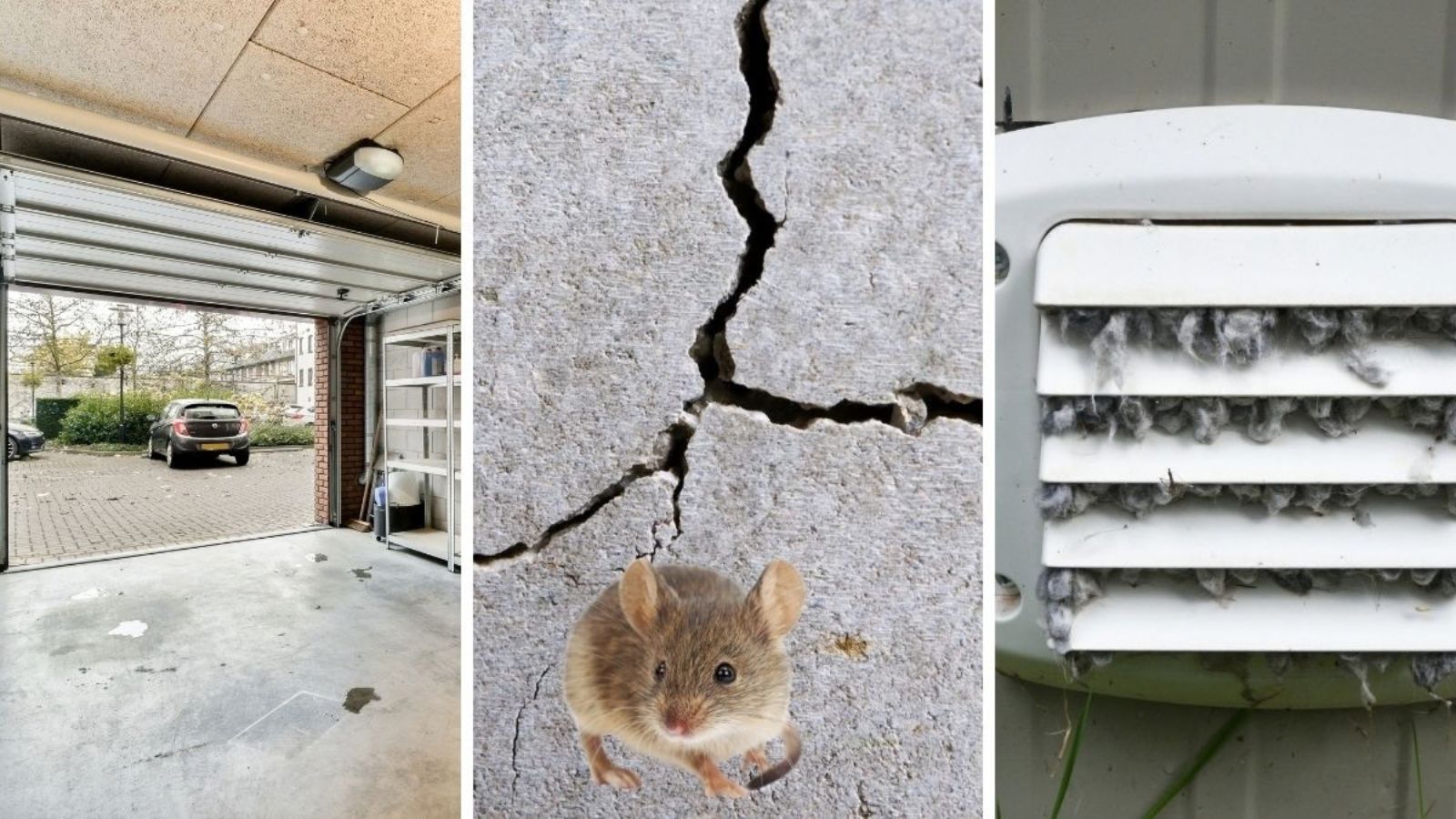
Integrated Pest Management (IPM) guides professional pest control by combining sanitation, habitat changes, exclusion, and selective pesticide use. Technicians inspect the site, identify species, and map hotspots before selecting treatments.
After treatment, traps, baits, and inspection points track pest activity, showing where pests persist and whether adjustments are needed. This approach targets the root causes of infestations, reduces repeat applications, slows resistance, and goes beyond simply killing visible insects.
Long-Term Control, Exclusion, and Preventive Measures
For homeowners in Omaha, working with a local pest control company also means getting service that is familiar with the pests common to the area and the conditions that help them spread.
When to Call a Professional
You should consider professional pest control if the problem keeps returning, if you cannot identify the pest, or if you suspect termites, bed bugs, rodents, or another pest that can cause damage or health risks. It is also a smart choice if you want help protecting your home year-round instead of only reacting when pests show up.
If you’re comparing pest control companies in Omaha, NE, look for one that offers inspections, clear treatment options, and local service experience.
Frequently Asked Questions
What are the advantages of professional pest control over store-bought products?
Professionals identify the exact pest species, locate nests and entry points, and use treatments not available in stores. Ongoing monitoring and follow-ups prevent reinfestation while reducing health risks and environmental exposure.
Can store-bought pest treatments be as effective as professional services?
Store-bought products work for small, isolated problems but often only provide a quick knockdown. Persistent pests, like bed bugs or termites, usually require professional methods for reliable control.
What types of pests typically require professional intervention?
Termites, bed bugs, rodents, carpenter ants, wasp nests, and recurring cockroaches need professional inspection and treatment. Any pest causing structural damage, health risks, or widespread pest infestation should trigger a call to licensed technicians.
How do the long-term costs of DIY treatments compare to hiring professionals?
DIY solutions cost less initially but can become expensive with repeated applications and wasted time. Professional services include inspections, targeted treatments, and follow-ups, often making them more cost-effective over a period of time.
Are there risks associated with over-the-counter pest control products?
Incorrect application can reduce effectiveness and increase exposure for people and pets. Misuse, overuse, or improper disposal can also cause chemical hazards or environmental contamination.
What should be considered when choosing between professional and store-bought pest control?
Evaluate pest type, infestation size, and potential health risks first. Consider time, ability to handle chemicals safely, costs, monitoring, and technician licensing or insurance.
Hire a Professional – ABC Termite & Pest Control Company
ABC Termite & Pest Control is here to help. Contact us today to learn more about our Omaha pest control services and get the support you need for your home. Our team is ready to inspect the problem and recommend a treatment plan that fits your situation.