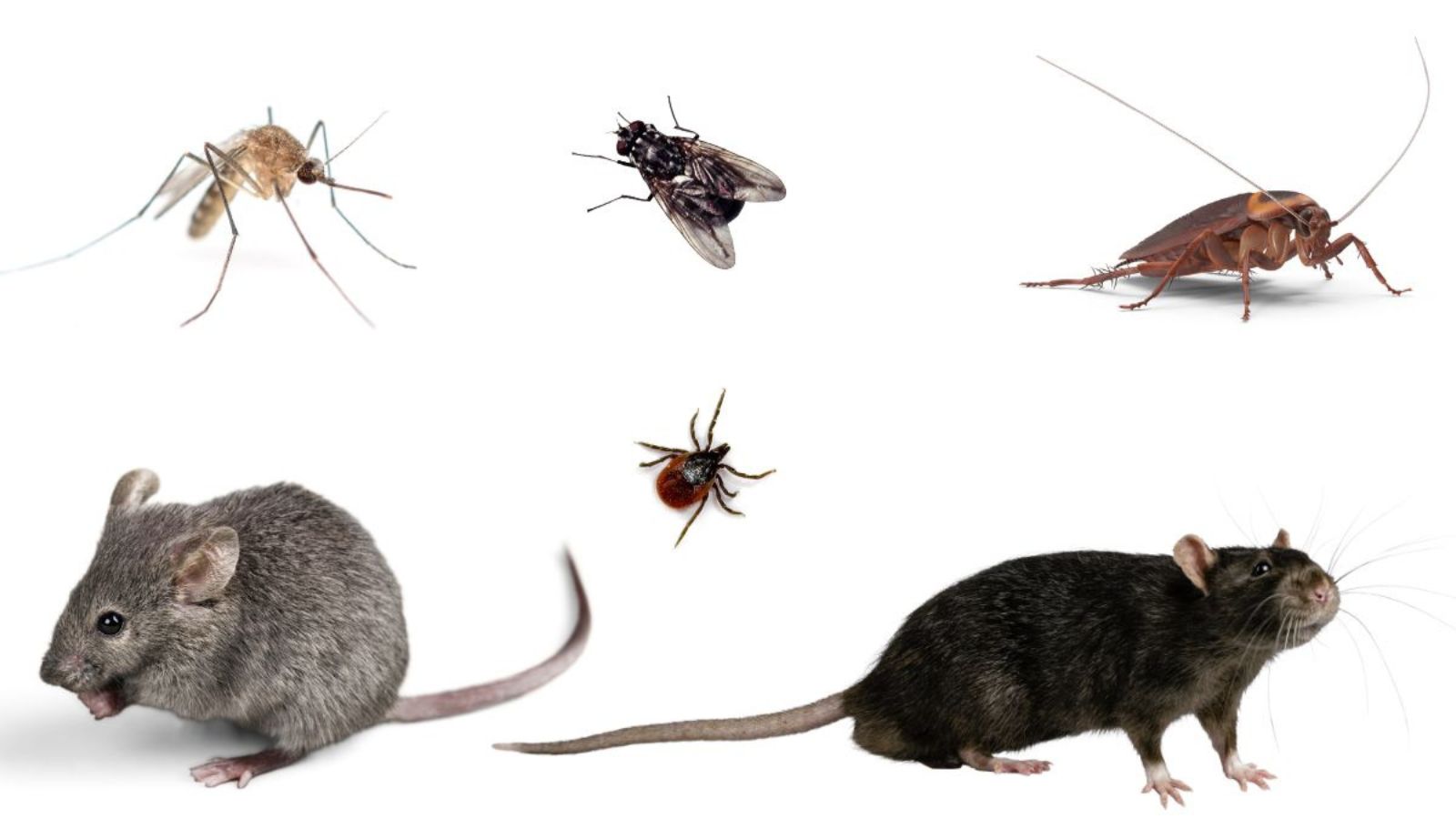
Disease-carrying pests pose real health risks in homes across the United States, spreading illnesses that range from mild infections to serious medical conditions. Mosquitoes, rodents, ticks, cockroaches, fleas, and lice are among the most common pests responsible for transmitting bacteria, viruses, and parasites. When infestations go unnoticed or untreated, these pests can quickly impact family health and overall indoor safety.
This guide explains which disease-carrying pests homeowners should be aware of, where they typically hide, and how they spread illness. It also outlines practical prevention strategies, control options, and clear steps you can take to reduce risk and protect your home before a small pest problem becomes a larger health concern.
Most Common Disease-Carrying Pests in and Around Homes
These pests commonly live near or inside houses and can spread serious illnesses through bites, droppings, or contamination. Each one poses different risks and needs specific prevention steps.
Mosquitoes and the Viruses They Spread
Mosquitoes bite and can pass viruses from person to person. Species such as Aedes aegypti can transmit dengue, Zika, and chikungunya, while Anopheles transmits malaria in some regions. Female mosquitoes need standing water to lay eggs, so small containers, clogged gutters, and pet bowls attract them.
Bites can cause fever, rash, joint pain, or more severe outcomes in some cases. Use window screens, insect repellents with DEET or picaridin, and mosquito netting where needed. Applying pesticides in standing water or larvicide treatments can reduce populations safely.
Ticks and Lyme Disease Risks
Ticks attach to skin for hours, increasing the risk of tick bite–related illness. Infected ticks can transmit infectious diseases like Lyme disease, caused by Borrelia burgdorferi. Blacklegged (deer) ticks are the main carriers in many areas. Early signs include a red rash (often bull’s-eye), fever, and fatigue.
Landscaping matters: keep grass short, create dry barriers between lawn and woods, and remove leaf piles. Personal protection includes wearing long sleeves, tucking pants into socks, and using EPA-registered repellents. Pets and people should be checked after outdoor activity.
Rodents as Carriers of Hantavirus and Leptospirosis
Mice and rats contaminate homes with urine, droppings, and saliva. Hantavirus can be inhaled from dust contaminated with rodent droppings and causes severe lung illness. Leptospirosis spreads through water or soil contaminated by infected urine and can cause fever, muscle pain, and organ damage.
Seal gaps around foundations, vents, and doors to block entry. Store food in rodent-proof containers and clean up spills promptly. When cleaning rodent areas, ventilate first and use gloves and a disinfectant; avoid sweeping or vacuuming droppings, which can aerosolize pathogens.
Cockroaches and Allergens
Cockroaches carry bacteria like Salmonella on their bodies and can contaminate food products and surfaces. Their droppings, shed skins, and saliva trigger asthma and allergies. Infested kitchens and damp basements increase exposure.
Sanitation is the best defense: remove food residues, seal cracks, and fix leaks to remove water sources. Use bait stations and gels rather than sprays for safer, targeted control. For heavy infestations, consult pest control professionals who can apply integrated methods to reduce health risks.
Prevention and Control Strategies for Household Disease Vectors
Keep food sealed, remove standing water, seal gaps in walls and windows, and use pesticides only as labeled or hire a licensed professional for complex infestations.
Proper Sanitation and Waste Management
Trash and food attract disease-carrying pests like rodents, flies, and cockroaches. Store food products in sealed glass or hard plastic containers.
Clean crumbs and spills immediately. Take out garbage regularly and use bins with tight-fitting lids. Rinse recyclables and compost containers to reduce odors.
Eliminate standing water to lower mosquito breeding. Repair leaking pipes and fix moisture problems in basements and crawlspaces to reduce places where pests breed and hide.
Physical Barriers and Pest Exclusion
Block pest entry points to stop problems before they start. Seal cracks and gaps around foundations, doors, and windows with caulk or weatherstripping. Install door sweeps and repair torn window screens.
Use mesh covers (1–2 mm) on vents and pipe openings to keep out rodents and insects. Store firewood and mulch away from the house perimeter to reduce hiding spots for rodents and spiders.
For gardens and yards, install tight-fitting lids on rain barrels and use fine mesh over ponds. Screen attic, soffit, and eave openings to prevent birds and bats from nesting in wall cavities.
Safe Use of Pesticides and Professional Pest Control
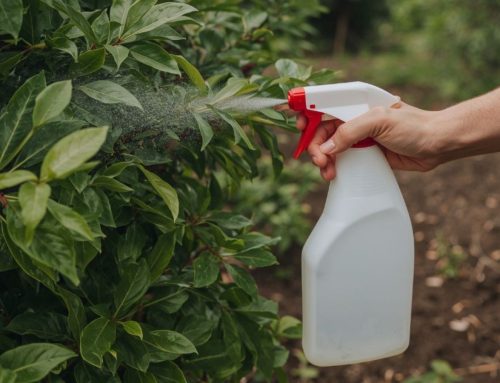
Read and follow label instructions for applying pesticides. Choose baits and traps over sprays when possible. Keep pesticides out of reach of children and pets.
Combine sanitation, exclusion, and targeted treatments with integrated pest management IPM. Monitor traps and reapply treatments only as needed to avoid resistance..
Hire licensed pest control companies for large infestations or venomous pests. Ask for written estimates, treatment details, and follow-up schedules. Centers for Disease Control and local health departments offer guidance for area-specific disease control and prevention.
Frequently Asked Questions
What types of pests transmit diseases to humans?
Rodents, ticks, mosquitoes, cockroaches, fleas, and flies can carry bacteria, parasites, or viruses that affect human health. Stored-food pests and bed bugs usually do not cause serious disease, but can worsen allergies.
How can infestation signs be identified?
Rodents leave droppings, gnaw marks, tracks, and nests. Ticks and mosquitoes show through bites or larvae in standing water, while cockroaches leave shed skins, dark smear marks, and musty odors.
What preventative measures reduce risk?
Seal gaps around doors, windows, pipes, and vents, and store food products in sealed containers. Remove trash, standing water, and brush, and fix leaks to lower pest attraction.
Which diseases are commonly spread by pests?
Rodents can transmit hantavirus, leptospirosis, and salmonella, while ticks spread Lyme disease, and mosquitoes carry West Nile virus. Cockroaches and flies may cause gastrointestinal illness, and fleas can rarely transmit plague, typhus, or tapeworms to pets.
What are the most effective methods for controlling pests?
Integrated pest management (IPM) combines sanitation, exclusion, habitat reduction, and targeted treatments. Begin with nonchemical steps and use baits, traps, or pesticides only as needed, following label directions.
Hire a Professional – ABC Termite & Pest Control Company – Omaha & Lincoln
If you’re concerned about pest infestations or want a professional to evaluate your home’s pest prevention strategies, don’t hesitate to reach out to a local Nebraska pest control expert.
Find a reputable pest control company in Omaha or Lincoln that you TRUST. Ask about their termite inspection and pest management services. You may think you are saving money; however, a single misapplication could have significant and adverse or deadly consequences for you or your loved ones. Contact ABC Termite & Pest Control in Omaha & Lincoln, NE to talk with an exterminator today!