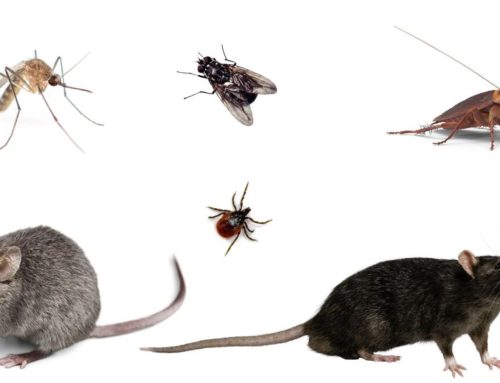
Winter pests don’t disappear when temperatures drop; in fact, many move indoors seeking warmth, food, and shelter. Homes can quickly become crowded with unwanted insects and rodents during the colder months.
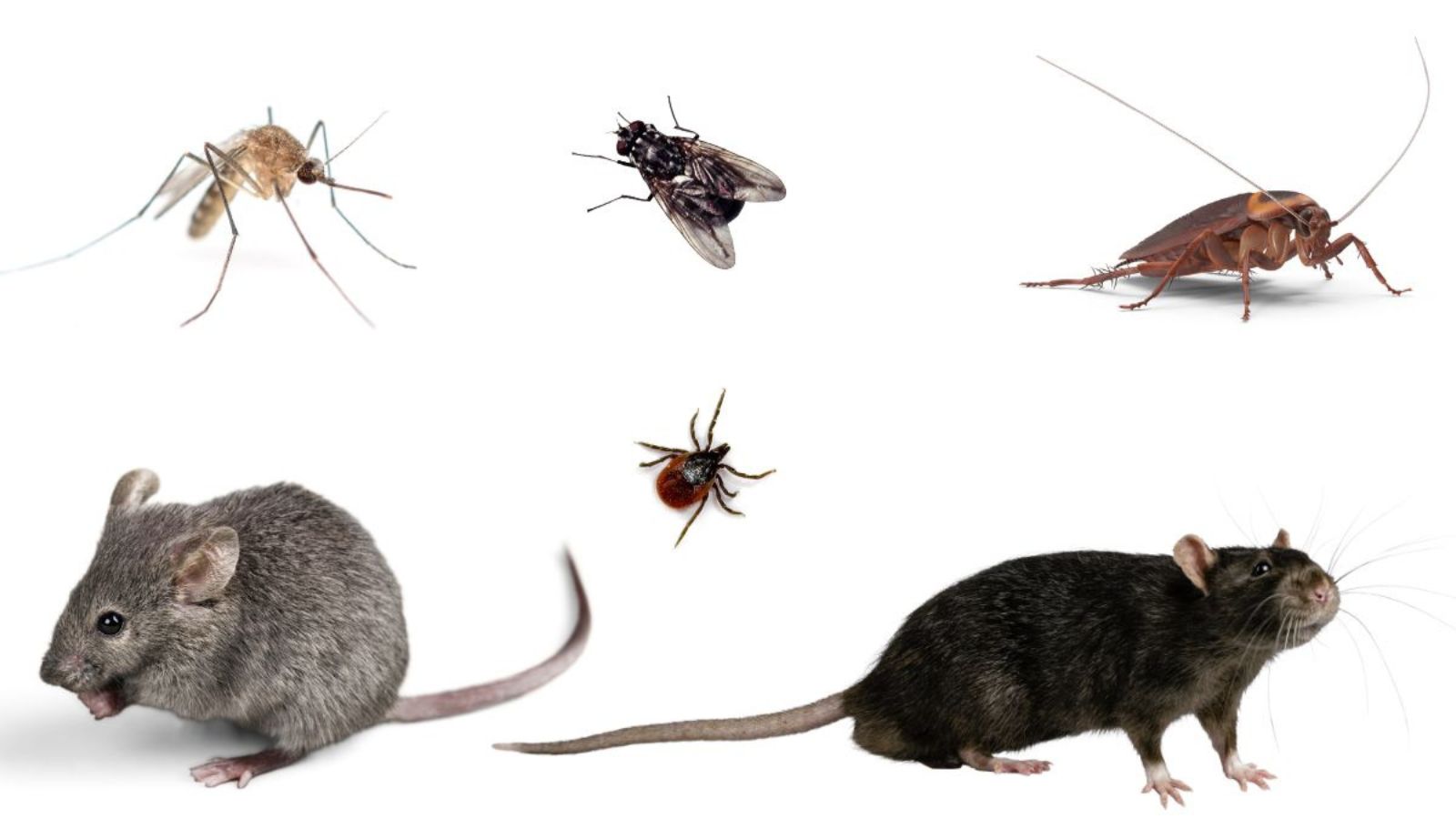
Pests such as spiders, cockroaches, and rodents may slow down in winter, but they remain active inside, especially in basements, attics, and crawl spaces. Knowing which pests to watch for and their winter behaviors helps homeowners protect their property and prevent damage.
Winter Pests Don’t Hibernate: Essential Signs and Prevention Tips for This Season
Common Winter Pests That Stay Active
Several pests stay active during winter because they seek warmth, food, and shelter indoors. These pests can cause damage or spread germs if left unchecked. Understanding which pests remain a threat helps homeowners protect their homes effectively.
Rodents: Mice and Rats
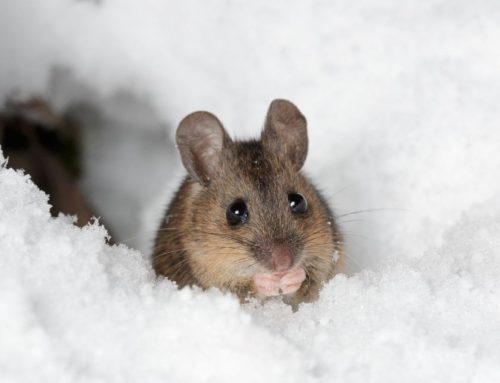
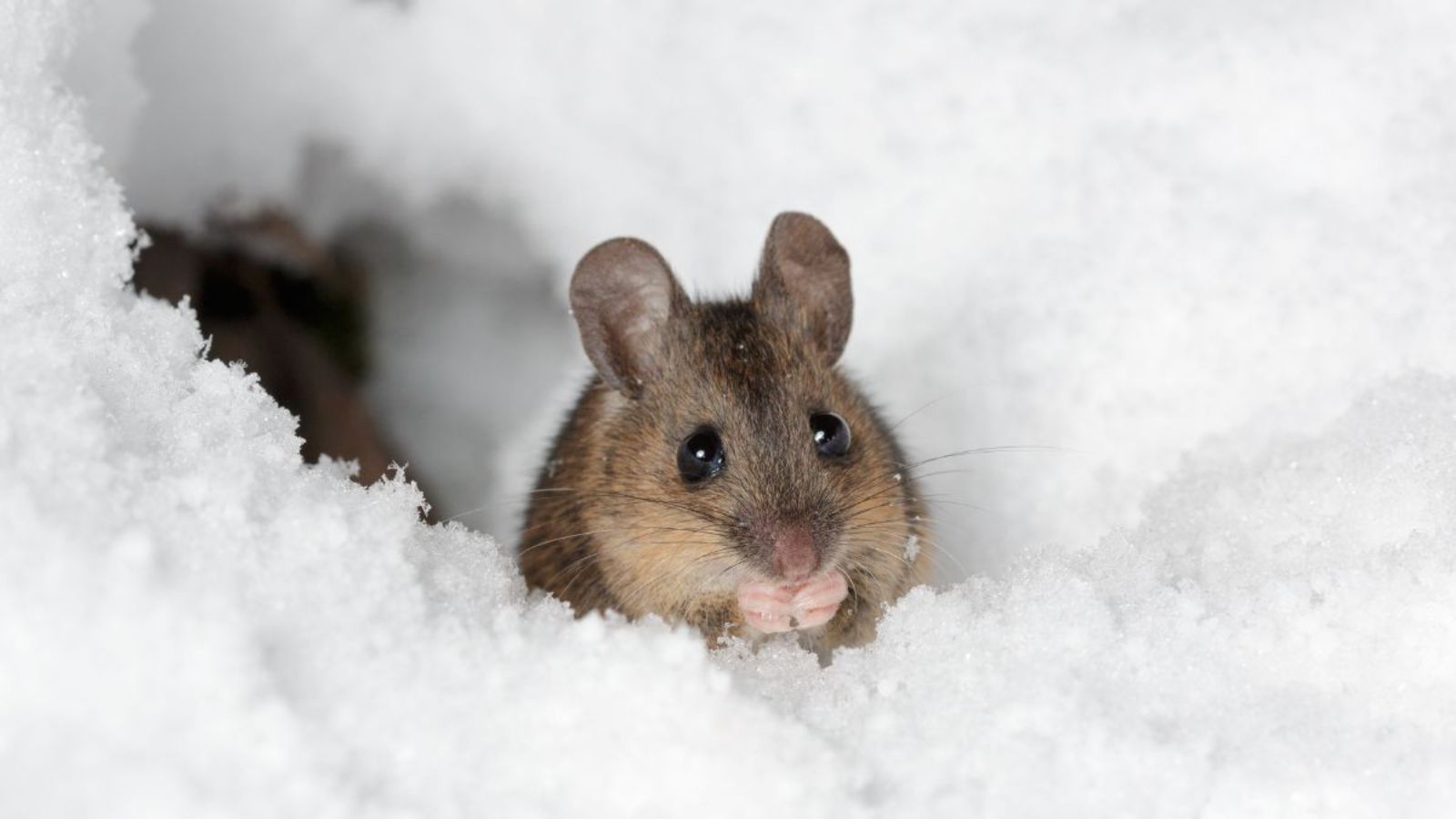
Mice and rats move indoors during winter to find warmth and food, entering through small cracks and gaps. They chew wires, insulation, and wood, posing damage and fire risks.
Signs include droppings, gnaw marks, and scratching sounds. Early action, such as setting up traps, sealing entry points, and maintaining cleanliness, is essential.
Cockroaches
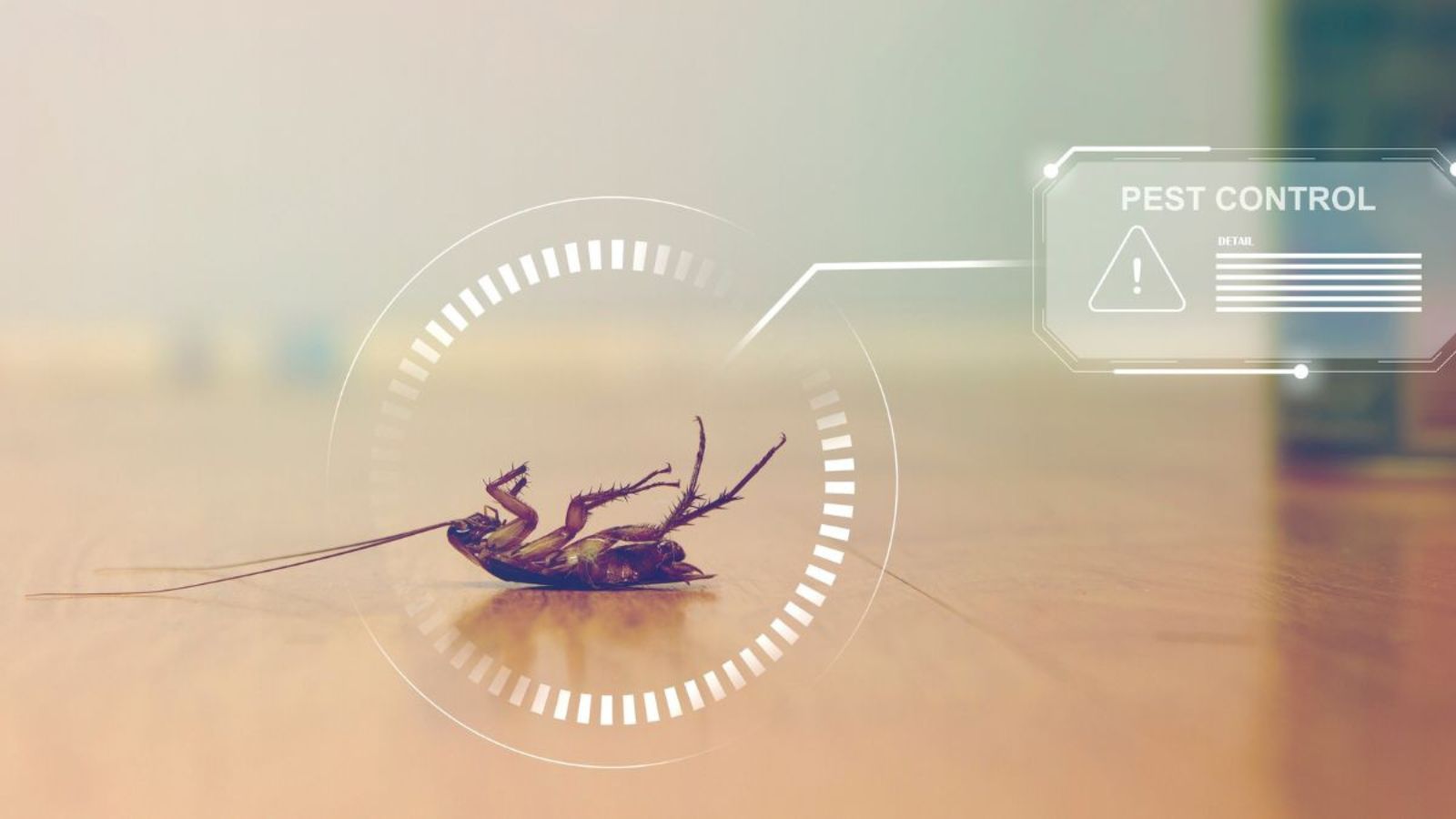
Cockroaches shelter indoors in dark, damp areas like kitchens, basements, and bathrooms. They spread bacteria and allergens, and infestations grow quickly in winter.
Remove crumbs and standing water; insecticides or professional pest control may be needed in severe cases.
Spiders and Overwintering Insects
Many spiders and insects survive winter indoors or in protected outdoor areas, feeding on other pests. They usually stay hidden but may become noticeable in large numbers.
Regular cleaning and sealing cracks limit hiding spots.
Why Winter Pests Invade Homes
Pests enter homes in winter seeking warmth, food, and shelter. They exploit weak spots in buildings to survive cold temperatures and hide safely indoors.
Seeking Warmth and Shelter
Cold weather drives pests indoors, where temperatures are steadier and warmer. Rodents, spiders, and cockroaches hide in basements, attics, wall voids, or near heating ducts.
Dark, quiet spots protect them from cold and predators and provide ideal conditions for nesting and reproducing.
Food and Water Sources
With food scarce outside, pests target homes for crumbs, pet food, and stored pantry items. Even small amounts can sustain them. Water is equally important, drawing pests to leaks, dripping pipes, and damp areas.
Common targets include:
- Pet food left out overnight
- Crumbs or spills under furniture
- Unsealed grains or cereals
Structural Vulnerabilities
Cracks, gaps, and holes around windows, doors, plumbing, and vents allow pests to enter. Older or poorly sealed homes are especially vulnerable, and rodents can chew to widen openings.
Regular inspection and sealing of entry points is key to preventing winter pest invasions.
Signs of Winter Pest Infestations
Winter pests often leave clear evidence in homes, from droppings and odd sounds to visible damage. Spotting these early helps prevent larger infestations.
Droppings and Tracks
Droppings are a reliable sign: rodents leave small dark pellets near food or along paths, while cockroaches leave specks. Greasy or dusty trails on walls, baseboards, or floors, and tiny footprints in dusty areas indicate frequent pest activity.
Regular checks help identify the type of pest and its hotspots for targeted control.
Unusual Sounds and Odors
Scratching, scurrying, or squeaking in walls or ceilings often signals rodents. Strange odors from urine, droppings, or dead pests can also reveal infestations.
Musty or ammonia-like smells usually indicate hidden pest activity. Noting when and where these occur helps locate the pests even if unseen.
Visible Damage to Structures
Rodents chew wood, wiring, insulation, and fabrics, causing holes, gnawed furniture, or exposed wires. Insects like carpenter ants or termites damage wood structures, leaving holes or weakened beams.
Common signs include:
- Chewed wires or cables
- Holes or gnaw marks on walls and baseboards
- Damaged insulation or soft wood near floors
Effective Prevention and Control Strategies
Preventing winter pests requires sealing entry points and keeping your home clean to make it less inviting for rodents, insects, and spiders. These measures reduce the likelihood of infestations during colder months.
Practical steps to protect your home:
- Seal Entry Points: Close gaps around doors, windows, vents, and areas where pipes or wires enter. Use weatherstripping, caulk, foam, or mesh screens, and inspect attics, basements, and foundations regularly, as pests can fit through tiny spaces.
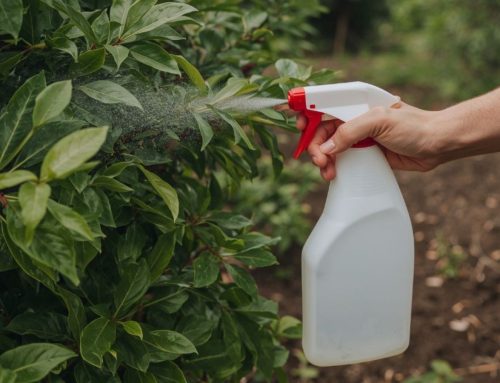
- Maintain Cleanliness: Store food in airtight containers, clean crumbs and spills promptly, take out garbage regularly, and avoid leaving pet food out overnight. Fix leaks, reduce moisture, minimize clutter like cardboard or newspapers, and clear leaves or debris from around the house.
Professional Pest Management
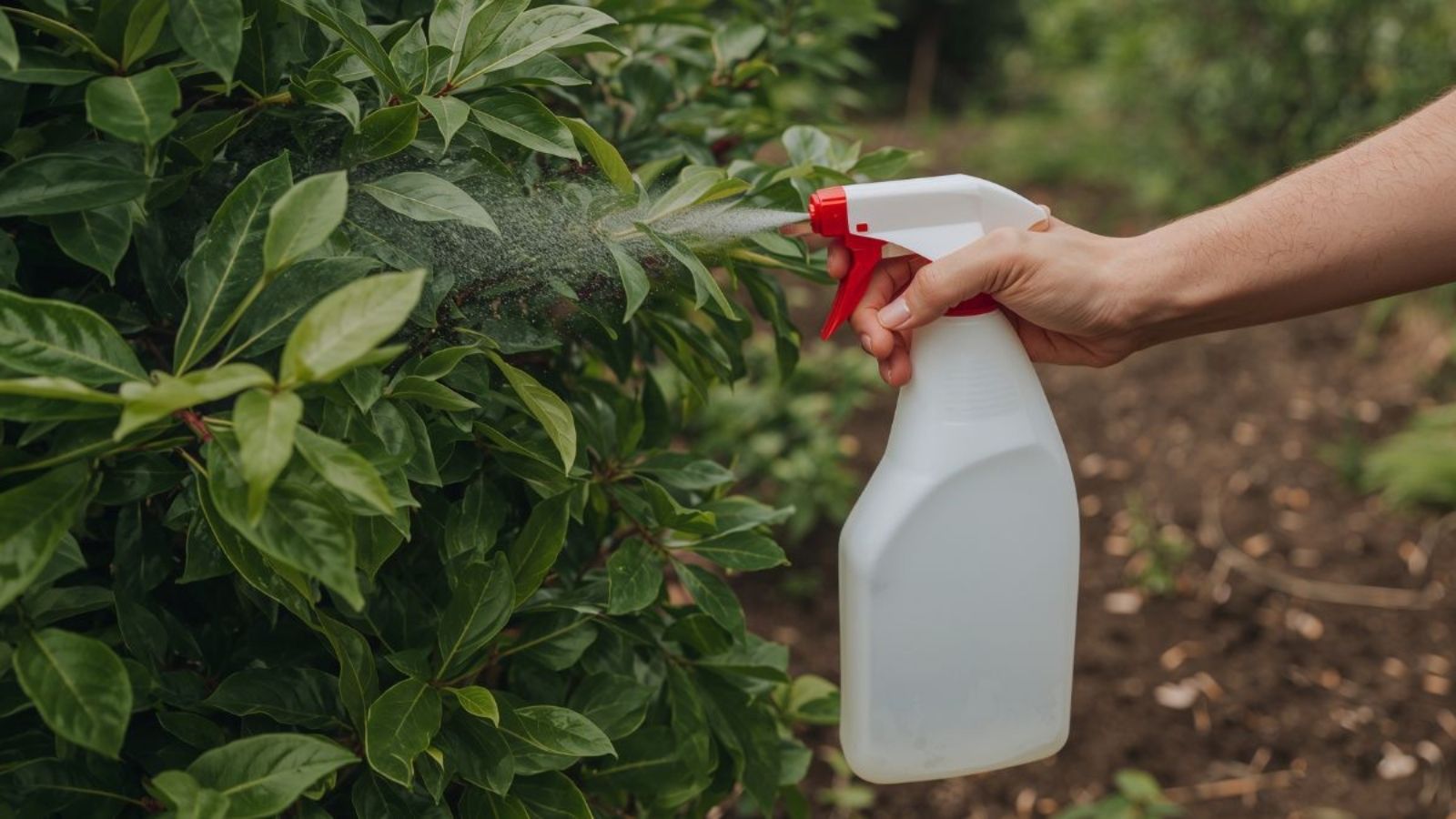
If prevention isn’t enough, licensed pest control experts can identify infestations and apply targeted treatments using traps, baits, or sprays.
Advantages of professional pest management include:
- Accurate identification of pests and affected areas
- Targeted treatments using safe and effective methods
- Ongoing monitoring and follow-up visits to prevent re-infestation
- Guidance on improving home defenses, such as sealing entry points and managing moisture
- Reduced risk of property damage and health hazards for residents and pets
- Effective control of established nests and recurring infestations
Frequently Asked Questions
Which pests are most active indoors during winter?
Rodents, like mice and rats, often enter homes for warmth and shelter. Spiders follow their insect prey indoors, while cockroaches, stink bugs, and silverfish also seek food and safe hiding spots during cold weather.
What are the early signs of a winter pest infestation?
Look for droppings, greasy trails, or tiny footprints in dusty areas. Scratching or scurrying sounds in walls, gnaw marks on furniture or wires, and unusual odors from urine or dead pests are also indicators of indoor activity.
How can I prevent winter pests from entering my home?
Seal cracks and gaps around doors, windows, vents, and pipes. Store food in airtight containers, clean crumbs promptly, reduce clutter, and fix leaks to eliminate moisture that attracts pests.
Why do rodents and insects come indoors in winter?
Cold outdoor temperatures force many pests to seek warmth, food, and shelter inside homes. While they may slow down outside, they stay active indoors where conditions are more stable and resources are available.
What steps should I take if pests are already inside?
Use traps or baits for rodents and sticky traps for insects. Remove debris, firewood, or clutter near the house, and reduce damp areas in basements and attics. For persistent infestations, contact a licensed pest control professional for safe and effective treatment.
Hire a Professional – ABC Termite & Pest Control Company – Omaha & Lincoln
If you’re concerned about pest infestations or want a professional to evaluate your home’s pest prevention strategies, don’t hesitate to reach out to a local Nebraska pest control expert.
Find a reputable pest control company in Omaha or Lincoln that you TRUST. Ask about their termite inspection and pest management services. You may think you are saving money; however, a single misapplication could have significant and adverse or deadly consequences for you or your loved ones. Contact ABC Termite & Pest Control in Omaha & Lincoln, NE to talk with an exterminator today!