Finding pests inside your home can quickly become stressful. You may hear scratching in the walls at night, notice droppings in the kitchen, or suddenly start seeing insects around sinks, cabinets, or baseboards. Once that happens, many homeowners begin wondering whether it is safe to continue living in the house while the problem is being handled.
The answer depends on the type of pest, how widespread the infestation has become, and whether health or structural risks are involved. Some pest problems are manageable while staying at home, while others may require temporary relocation during treatment.
This guide explains which infestations create the biggest risks, when you may be able to remain in the home, and what steps can help protect your household until the issue is resolved.
When a Pest Problem Becomes More Serious
Not every pest issue creates an immediate danger. A few ants near a doorway or occasional outdoor bugs getting inside are usually more annoying than harmful.
However, a pest infestation can become more concerning when pests begin spreading into multiple areas of the home or creating sanitation and safety issues. Some pests reproduce quickly, allowing small problems to become major infestations in a short amount of time.
Signs a Pest Infestation May Be Serious
- Frequent pest sightings throughout the day
- Droppings, nesting material, or strong odors
- Damage to wires, insulation, wood, or stored items
- Scratching sounds inside ceilings or walls
- Bite marks, skin irritation, or allergy symptoms
- Pests appearing in several rooms at once
If multiple warning signs are happening together, the infestation may already require professional treatment.
Common Pests That Can Affect Home Safety
Different pests create different kinds of problems. Some mainly damage property, while others can affect indoor air quality or contaminate food preparation areas.
Rodents
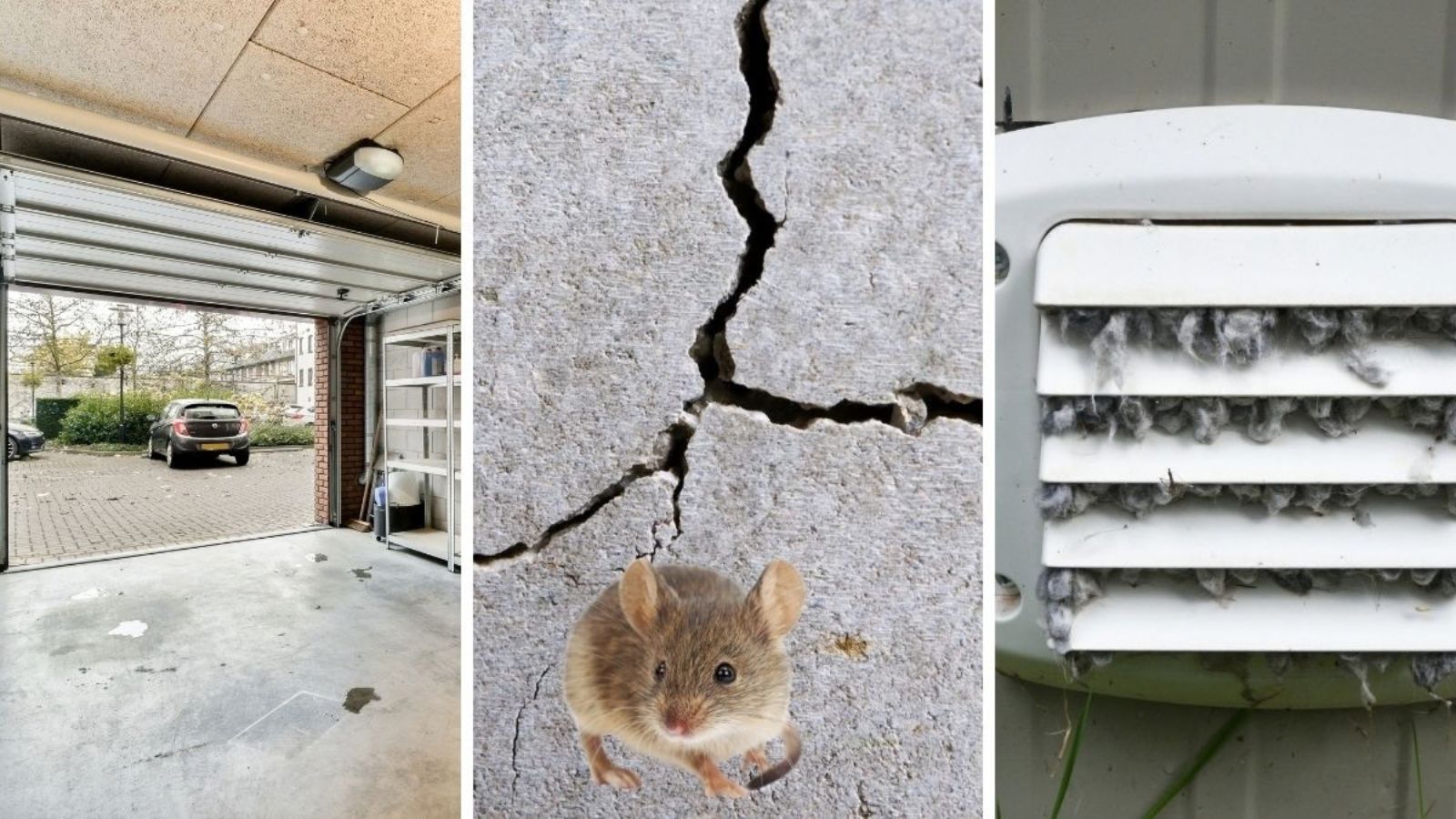
Mice and rats can spread bacteria through droppings and urine while also damaging insulation, wood, and electrical wiring. In larger infestations, strong odors and contamination can become difficult to manage without professional cleanup.
Cockroaches
Cockroaches are known for spreading bacteria and triggering allergies or asthma symptoms. Because they hide behind appliances, cabinets, and walls, infestations often become widespread before homeowners fully realize the extent of the problem.
Termites
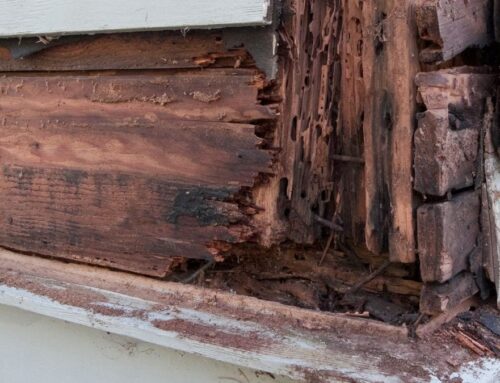
Termites are less of a direct health concern, but they can cause major structural damage over time. Severe infestations may weaken flooring, framing, or wooden supports if left untreated.
Bed Bugs
Bed bugs do not usually spread disease, but they can disrupt sleep and cause ongoing discomfort from bites and skin irritation. Treatment often involves extensive cleaning and repeated visits.
Wasps or Bees
Stinging insects become more dangerous when nests are located near entrances, inside walls, or around heavily used outdoor areas. This can be especially risky for anyone with sting allergies.
Is It Safe To Stay During Treatment?
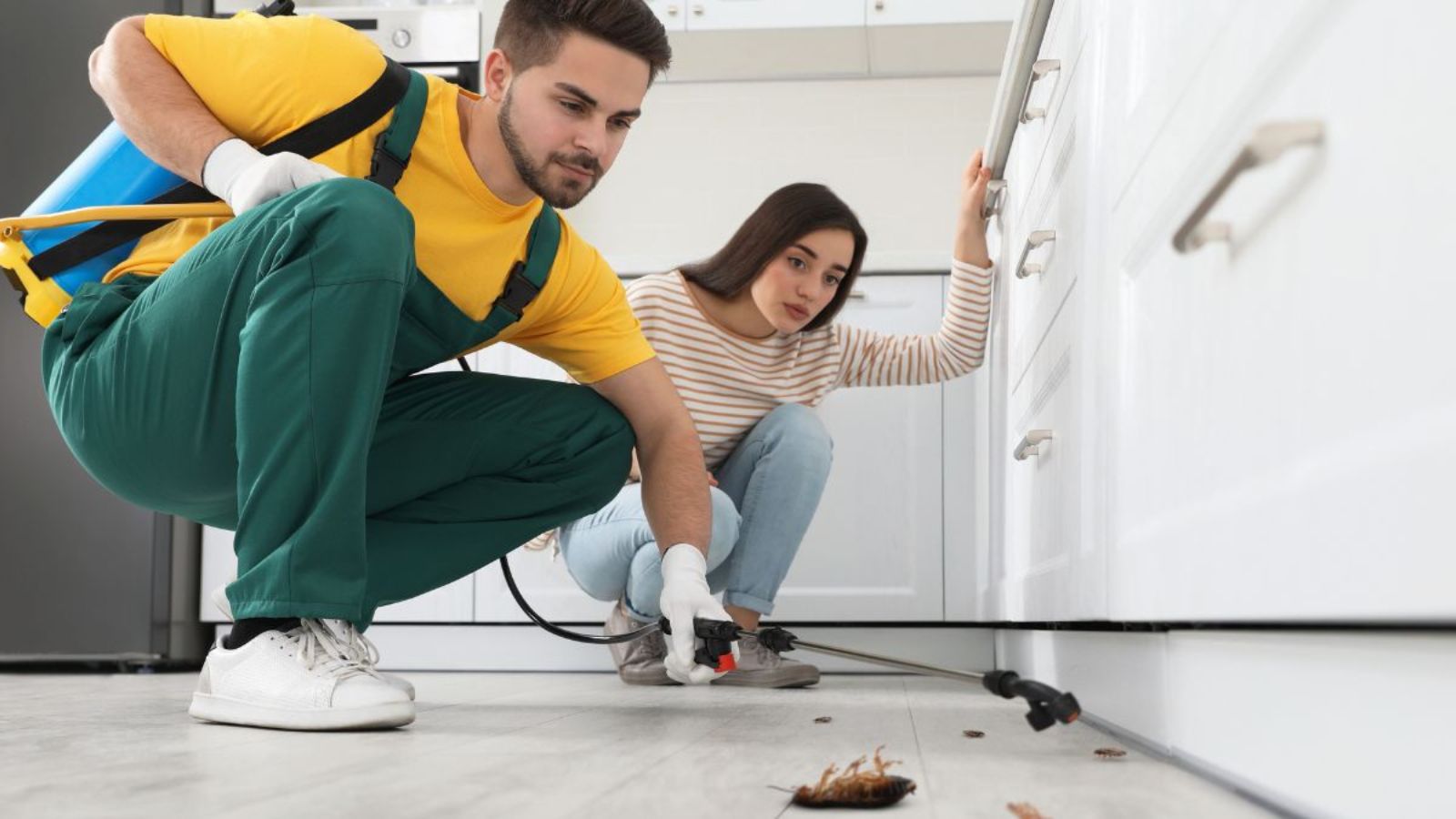
In many situations, homeowners can remain in the house while pest control professionals handle the infestation. Some treatments only target specific rooms or exterior areas, allowing normal daily activity to continue with minimal disruption.
Still, there are situations where temporary relocation may be the safer option, especially when the infestation affects multiple parts of the home.
You May Be Able To Stay If:
- The infestation is limited to one area
- Treatments are localized and low-risk
- You can avoid treated spaces temporarily
- The pest problem is not causing major health concerns
Temporary Relocation May Be Recommended If:
- The infestation has spread throughout the house
- Fumigation or stronger chemical treatments are necessary
- There are young children, pets, or elderly family members in the home
- Someone in the household has asthma or respiratory conditions
- Severe contamination or structural damage is present
Your pest control provider will usually explain whether you should leave during treatment and how long you should wait before returning to treated areas.
Health Risks That Should Not Be Ignored
Some infestations create more than simple inconvenience. Long-term exposure to pests, droppings, or contaminated areas can affect both comfort and health inside the home.
Possible Health Concerns
- Food contamination in kitchens or pantries
- Allergy symptoms caused by droppings or dander
- Asthma flare-ups linked to cockroaches or rodents
- Skin irritation from bites or pest contact
- Poor indoor air quality in enclosed spaces
If anyone in the home already has allergies or respiratory conditions, it is important to address the infestation before symptoms become worse.
What You Can Do While Waiting for Treatment
If you need to remain at home before professional treatment begins, a few simple steps can help reduce pest activity and limit exposure.
Practical Ways To Reduce Risk
- Store food in sealed containers
- Clean spills and crumbs quickly
- Keep garbage bins tightly closed
- Avoid leaving pet food out overnight
- Reduce clutter near walls and storage spaces
- Seal visible cracks around doors or pipes
- Keep children and pets away from affected areas
These steps will not solve the infestation completely, but they can help slow pest activity until treatment begins.
Why Professional Inspection Matters
Many infestations are larger than they first appear. Pests often hide inside insulation, crawl spaces, attics, or behind walls where activity is difficult to detect. Many infestations continue growing long before visible activity becomes severe.
A professional inspection helps identify:
- The type of pest involved
- How severe the infestation has become
- Possible entry points and nesting areas
- Hidden damage inside the home
- The safest treatment plan for your household
Early treatment often reduces repair costs and lowers the risk of the infestation spreading further.
Preventing Future Infestations
After treatment is complete, prevention becomes the next priority. Long-term pest prevention usually depends on reducing moisture, improving sanitation, and sealing entry points around the home.
Helpful Prevention Tips
- Fix leaks and standing water problems
- Seal gaps around windows and foundations
- Trim vegetation near the house
- Keep storage areas clean and dry
- Schedule inspections if problems continue returning
Consistent maintenance can help reduce the chances of another pest infestation developing later.
Hire a Professional – ABC Termite & Pest Control Company – Omaha & Lincoln
If you’re concerned about pest infestations or want a professional to evaluate your home’s pest prevention strategies, don’t hesitate to reach out to a local Nebraska pest control expert.
Find a reputable pest control company in Omaha or Lincoln that you TRUST. Ask about their termite inspection and pest management services. You may think you are saving money; however, a single misapplication could have significant and adverse or deadly consequences for you or your loved ones. Contact ABC Termite & Pest Control in Omaha & Lincoln, NE to talk with an exterminator today!