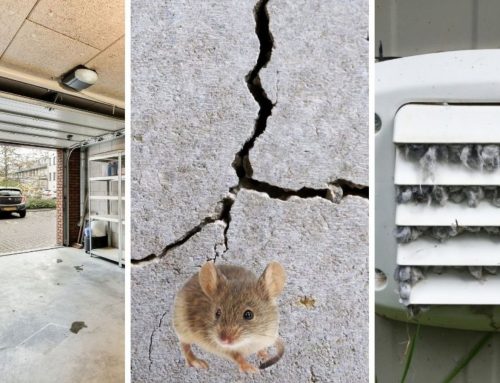

The first signs of a pest problem often appear subtly and can be easy to miss during everyday routines. Small changes in your home, such as unusual marks, sounds, or odors, may indicate early pest activity. Recognizing these warning signs early helps prevent infestations from spreading and reduces the risk of costly damage.
Pests can impact structures, contaminate food, and create health concerns if left unaddressed. Identifying the first signs of a pest problem allows for quicker intervention and more effective treatment.
Early Indicators of Pest Activity in the Home
The first signs of a pest problem are often visible in commonly used areas such as kitchens, basements, storage spaces, and around doors and windows. Routine inspections can help uncover these early indicators before the problem worsens.
Common Physical Signs to Watch For
- Droppings in corners, drawers, or storage areas, which may vary by pest type, including insects such as bed bugs
- Gnaw marks on wood, plastic, or wires, often found along door frames and baseboards
- Grease trails or smudge marks that indicate repeated pest movement
- Nesting materials such as shredded paper, fabric, or insulation
- Dead insects near windows or light sources
Early detection of these signs helps limit structural damage and reduces the risk of a larger infestation.
Changes in Smell, Sound, and Activity
Not all pest problems are immediately visible. Some of the first signs of a pest problem involve changes in smell, sound, or activity within your home.
Sensory warning signs to look for:
- Scratching, tapping, or movement sounds inside walls or ceilings
- Musty, oily, or musky odors that linger
- Increased pest activity during nighttime hours
- Sudden appearance of insects near lights, vents, or drains
- Unexplained movement or noise in quiet areas of the home
These signs often point to hidden infestations that may already be developing behind walls or in less visible areas.
Damage to Property and Food Sources
Another clear sign of a pest problem is damage to materials within the home. Pests often chew, tear, or contaminate items while searching for food and shelter.
Food packaging with holes, tears, or bite marks may indicate pest access. You may also notice droppings or residue in pantry areas or near stored food.
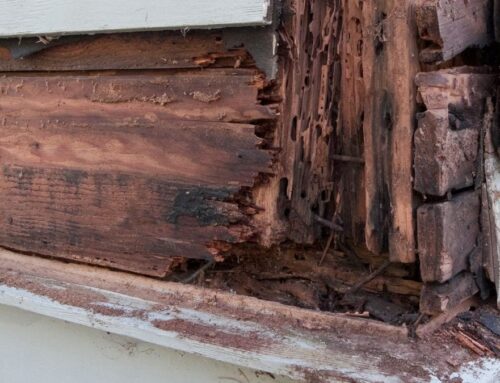
Structural damage can also occur over time. Rodents and termites may impact wood, insulation, and even electrical wiring. Addressing these signs early can prevent more extensive repairs and safety risks.
Entry Points and Environmental Conditions
Pests typically enter through small openings and thrive in environments that provide easy access to food, water, and shelter. Identifying these risk factors early can help prevent infestations.
Common Entry Points and Risk Factors
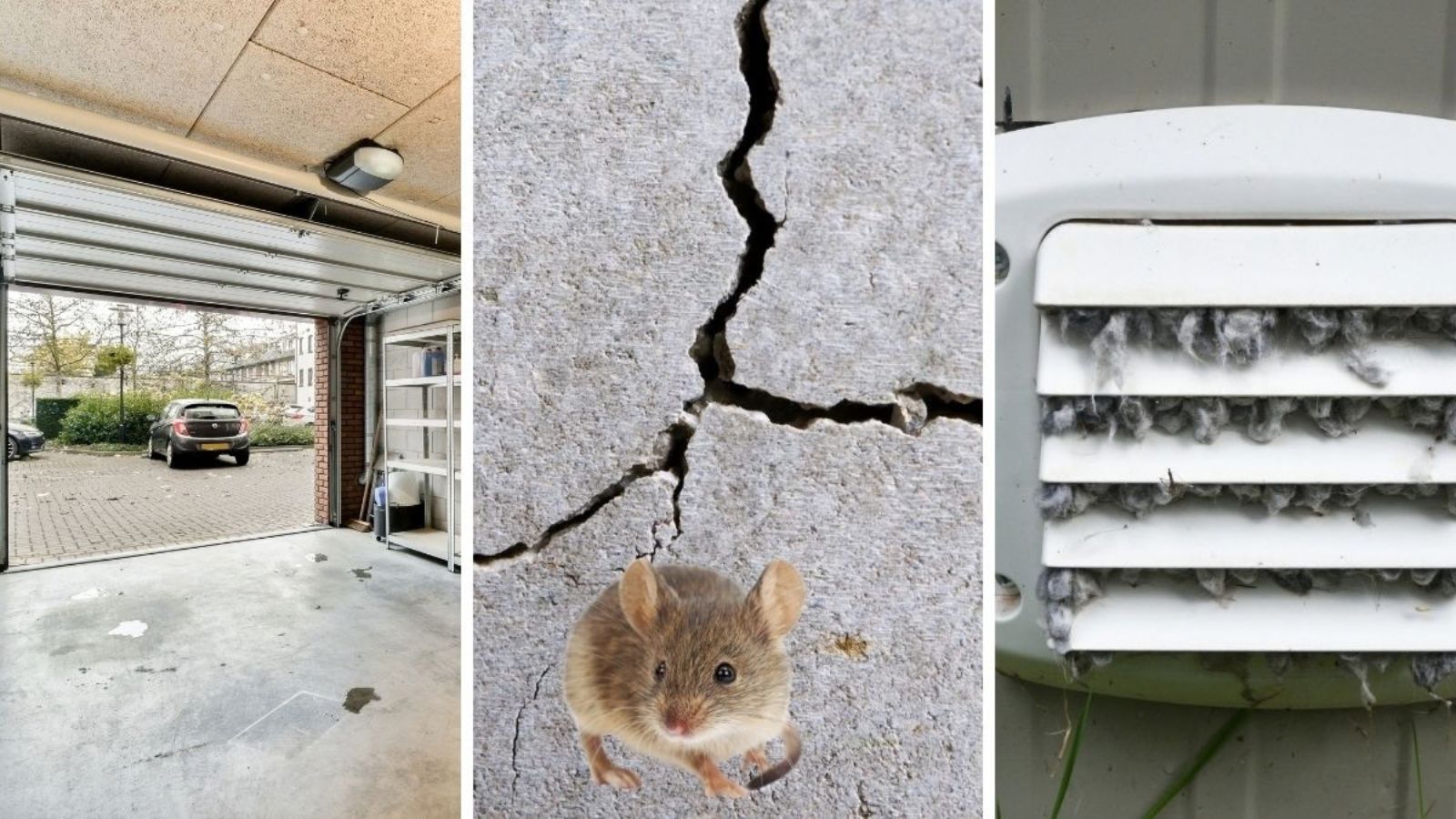
- Cracks in walls and small hairline cracks that allow pests to enter unnoticed
- Gaps around doors, windows, and vents that serve as easy access points
- Areas with excess moisture or water damage, which attract pests
- Food residue or improperly stored items in spaces used to store food
- Cluttered or unclean areas that provide hiding and nesting spots, and make the environment more attractive to pests
Preventive Measures for a Pest-Free Environment
Maintaining a clean and organized home plays a major role in preventing pest problems. Simple, consistent habits can significantly reduce the risk of infestation.
- Clean high-risk areas like kitchens, pantries, and basements
- Seal trash bins and empty them regularly
- Organize storage spaces to reduce nesting spots
- Inspect and repair entry points, including doors, windows, and hairline cracks
- Control moisture and fix leaks to prevent water damage
- Store food properly in sealed containers and clean spills immediately
When to Call a Professional Pest Control Company
If you continue to notice signs of pest activity or suspect an infestation, it’s important to take action quickly. Ongoing issues such as repeated sightings, widespread droppings, or structural damage often require professional treatment.
Working with a pest control expert ensures the problem is identified accurately and treated safely and effectively.
Frequently Asked Questions
What are the first signs of a pest problem?
Early signs include droppings, unusual odors, visible damage to surfaces or food, and strange sounds. For example, small, dark pellets may indicate rodent activity, while a musky odor can signal hidden insect activity.
Where do pests usually enter a property?
Pests often enter through cracks, gaps around doors and windows, vents, or small hairline cracks. Even tiny openings near door frames or window sills can allow insects and rodents to access hidden areas.
Which environmental conditions attract pests?
Excess moisture, standing water, cluttered spaces, and exposed food create ideal habitats for pests. Areas with water damage or improperly stored food are especially likely to harbor infestations.
How can household items show early pest activity?
Chewed packaging, gnaw marks on wood or wires, and shredded materials indicate pest presence. Damage near door frames, baseboards, or storage boxes often points to rodents or insects nesting nearby.
When should professional pest control be considered?
Professional help is recommended if signs persist or infestations are widespread. For instance, repeated sightings of bed bugs or rodent droppings in multiple rooms may require expert intervention.
Take Action at the First Sign of a Pest Problem
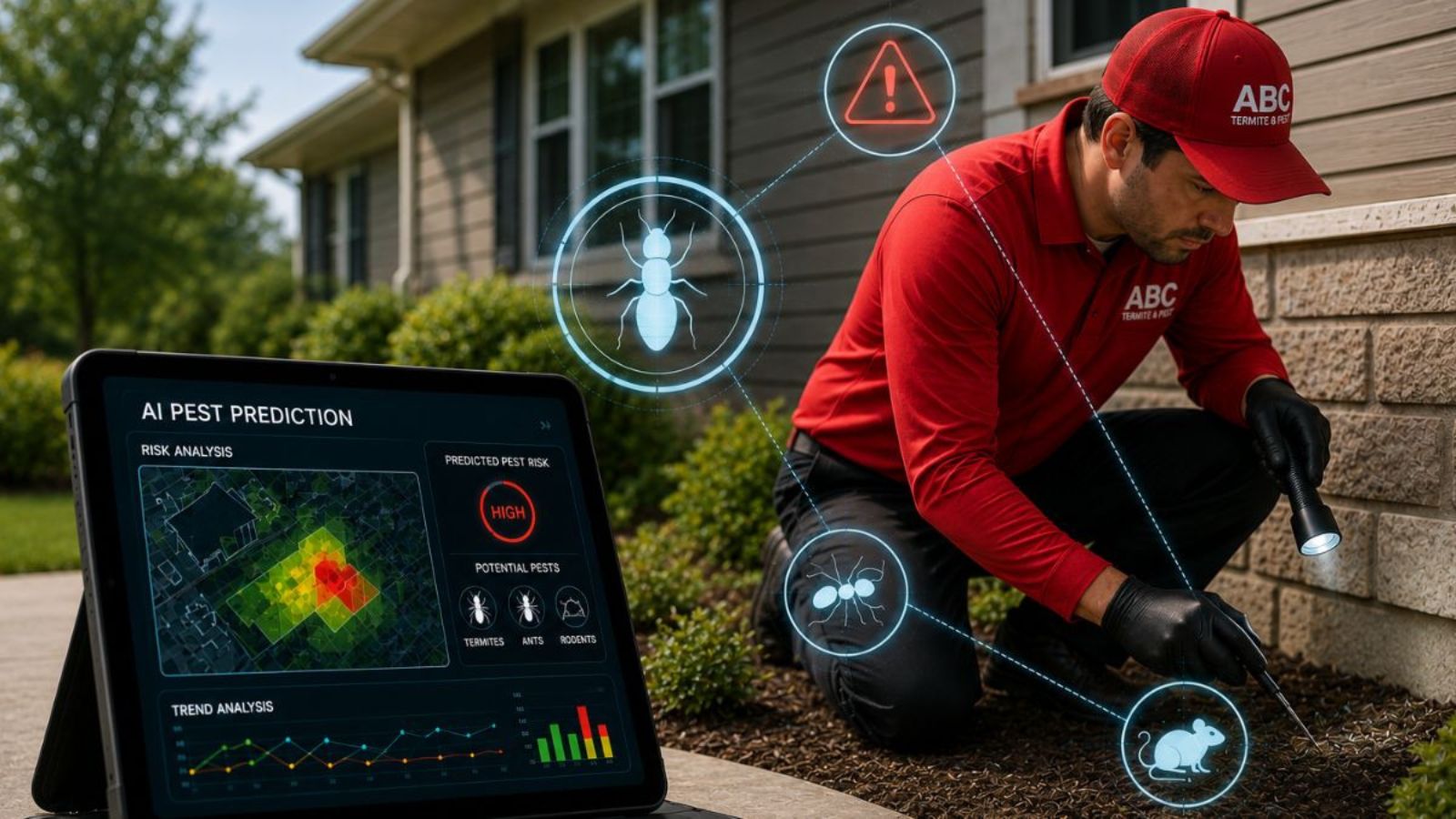
Spotting early warning signs is only half the battle, getting the right professional involved quickly is what protects your home from bigger damage down the line. One misapplication of pest control products can have serious consequences for your family, so choosing a company you trust matters.
ABC Termite & Pest Control serves homeowners across Omaha and Lincoln, providing termite inspections, pest management, and preventative treatments tailored to Nebraska homes. Contact ABC Termite & Pest Control today to speak with a local exterminator about what you’re seeing.