
There are distinctive differences between flying ants and flying termites, and knowing which pest you’re seeing can save you time, money, and frustration. If you’re finding winged insects around your home in Omaha or Lincoln, correctly identifying them is the first step before you decide how to treat them.
Flying termites often appear in the spring and can be the first indication that a serious, potentially damaging termite infestation may be developing on your property. Because termites and ants require different treatment methods, understanding how to tell them apart is essential.
Flying Ants vs Termites
What are Flying Ants?
Are your flying ants swarming? When an ant colony is first starting up, all the ants it produces are sterile, female worker ants. But when a colony decides to expand, it starts producing winged, sexually mature males and females.
These ants take off in a swarm called a nuptial flight and begin to mate. When female ants have been fertilized, they start a new colony. So, that’s why you see all those ants flying around. These ants aren’t as destructive as carpenter ants or termites, but they’re still annoying.
Before you act, it’s good to ensure you know the insect you are dealing with. A quick rundown of some very common flying household ants would include winged pavement ants, flying ants, carpenter ants, and termites. When they fly around you they all might appear to be the same but, when you catch them resting and not in flight you can take a closer look and ID it. Typically, the trickiest to tell the difference between are flying ants and termites.
Are Flying Ants Dangerous?
These huge swarms of flying ants can be a bit intimidating, but the ants have only one thing on their minds: mating. Ant swarmers don’t represent any greater danger to you than your typical ant that crawls.
Flying Ant Bites
If a species of ant doesn’t bite or sting, the alates of that species won’t bite or sting either. If the ant species bites, like a carpenter ant, the winged carpenter ants can still bite if they feel threatened. If the ant species stings as fire ants do, the winged fire ants can still do the same.
It’s highly unlikely ants will bite or sting you while they’re flying. So don’t run headlong into any mating swarms and you should be fine. Do be careful if they are crawling, just as you would with any other ant.
Flying Ants in the Home
When winged ants are found within a home, likely, that a colony has already been established or entered through an opening like an open window.
What Are Flying Termites (Swarmers)?
Flying termites, also known as swarmers, are the reproductive members of a termite colony. They typically emerge in spring and early summer, especially on warm days after rain, and are one of the first visible signs that a termite colony may be active in or near your home.
Unlike ants, termites feed on wood and other cellulose materials. Over time, an untreated termite infestation can cause serious structural damage to beams, floors, and other wooden components of your house.
If you see flying termites around your foundation, porch, or inside your home, it’s a strong sign that you should contact a professional for an inspection as soon as possible.
Get Rid of Flying Ants in Your Home
One way to get rid of flying ants in your home is by mixing one part liquid dish soap with two parts water in a spray bottle. Then, add a few drops of peppermint oil to the mixture, shake the bottle, and spray the ants wherever you see them.
If you are not too fond of the idea of DIY flying ant removal ideas, consider hiring a pest control service to remove the flying ants from your house.
How to identify Flying Ants vs Termites:
Flying ants and flying termites can look similar when they’re in the air, but there are several reliable ways to tell them apart once they land:
- Wings – Both pests have four wings, but termite wings are all the same size. Flying ants have larger front wings and smaller hind wings.
- Antennae – Termite antennae are straight or slightly curved. Ant antennae are elbowed, giving them a noticeable “bend.”
- Wing Length – Termite wings are often about twice as long as their body. Ant wings are shorter and more proportional to their body length.
- Body Shape – Termites have thick, straight bodies without a narrow “waist.” Ants have a clearly pinched waist and look more distinctly segmented.
If you’re still not sure what you’re seeing, save a few specimens in a small container or take clear, close‑up photos. A licensed pest control professional can use these to help identify whether you’re dealing with ants, termites, or something else.
Other bugs May Look like Flying Termites
Mayflies
Mayflies are a type of winged bug that looks like termites when they are flying. However, when they are stationary, it is easier to tell that they are not flying termites. Similar to flying termites, mayflies are most active during the spring and summer months.
Also, mayflies become active after rain, just as flying termites do. Because all of the activities of mayflies are similar to that of flying termites, it is easy to confuse the two flying bugs.
Winged/Flying Insects – Control Measures
If you’re finding winged insects around your home, it is important to do something about it. While carpenter ants are certainly much less of a threat than termites, they can still do a tremendous amount of damage if left untreated.
Carpenter ants are also a warning sign that your home is being damaged by water. These insects prefer soft, rotted, or damaged wood to create their tunnels and nest galleries. If you have a broken or obstructed gutter system, it can be very bad for the equity of your house.
When to Call a Professional
Flying termites or frequent sightings of unidentified winged insects are a different story. Because termites can cause significant damage over time, a professional inspection is strongly recommended if:
- You see winged insects emerging from cracks in walls, floors, or foundations
- You find piles of discarded wings near windowsills, doors, or light fixtures
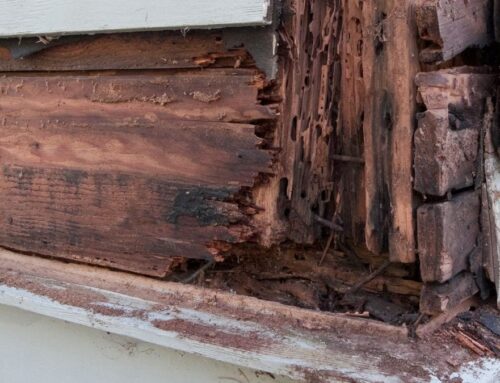
- You notice soft, damaged, or hollow‑sounding wood around your home
To learn more about how termite problems are treated and prevented, you can visit our dedicated termite control page for details on inspection, treatment options, and protection plans.
Our Omaha termite pest control specialists can inspect your property, determine whether you’re dealing with flying ants or termites, and recommend the right solution based on what they find.
ABC Termite & Pest Control – Local Pest Control Exterminators in Omaha & Lincoln
Find a reputable local moles & voles pest control Omaha or Lincoln professional that you TRUST and ask about their pest management services. You may think you are saving money however, a single misapplication could have significant and adverse or deadly consequences for you or your loved ones. If you suspect you have a termite problem, contact the Omaha termite and pest control experts at ABC to schedule a termite inspection.