Summer humidity can make your basement feel damp, musty, and uncomfortable. What many homeowners do not realize is that basement humidity levels attract pests by creating the perfect environment for insects and rodents looking for moisture and shelter indoors.
Even a basement that looks clean can quietly develop moisture problems that encourage pest activity near storage boxes, around drains, or inside crawl spaces. Once pests settle into these damp areas, they can eventually spread into other parts of the house.
Understanding how humidity affects pest activity can help you spot warning signs early and reduce the chances of dealing with a larger infestation later in the summer.
Why Basements Become More Vulnerable During Summer
Basements naturally hold more moisture than upper levels of the home. During the summer, warm outdoor air mixes with cooler basement temperatures, often creating condensation on walls, pipes, and concrete surfaces.
Humidity can build up from several sources, including:
- Poor ventilation
- Heavy summer rainfall
- Foundation cracks
- Leaky pipes
- Groundwater seepage
- Damp storage areas
- Inadequate drainage around the home
When moisture lingers for long periods, pests are more likely to move in because the environment supports nesting, feeding, and reproduction.
How Humidity Attracts Pests
Most pests need moisture to survive. Damp spaces give them access to water while also creating dark, quiet hiding places where they are less likely to be disturbed.
High humidity can also weaken parts of the home over time. Damp wood, cardboard, insulation, and stored materials often become easier for pests to invade or damage. Damp materials and excess moisture make basements far more inviting to insects and rodents during the summer.
In many homes, pests begin in the basement before spreading upward into kitchens, bathrooms, attics, or wall voids.
Common Basement Pests Linked to Moisture
Different pests are drawn to humid environments for different reasons. Some seek water, while others are attracted to decaying materials or damp wood.
Cockroaches
Cockroaches thrive in warm, humid spaces with easy access to water. Basements with leaking pipes, floor drains, or excessive condensation often provide everything they need to survive.
You may notice them hiding:
- Near water heaters
- Around laundry areas
- Behind stored boxes
- Under basement sinks
- Close to sump pumps or drains
Because cockroaches multiply quickly, even occasional sightings can point to a larger hidden problem.
Silverfish
Silverfish are especially attracted to damp basements because they prefer humid conditions and feed on paper, cardboard, glue, and fabric materials commonly stored downstairs.
Homeowners often spot them:
- Around storage bins
- Near old books or paper
- Inside closets
- Along baseboards
- Behind boxes in dark corners
High humidity allows silverfish populations to grow much faster indoors.
Termites
Moisture problems can increase the risk of termite activity around the home. Damp wood becomes more attractive to termites, especially in basements with poor drainage or hidden leaks.
Warning signs may include:
- Soft or damaged wood
- Bubbling paint
- Mud tubes near foundation walls
- Hollow-sounding wood surfaces
- Small piles of discarded wings
Because termite damage often develops slowly, many homeowners do not notice the issue until repairs become expensive.
Centipedes and Millipedes
These pests are highly attracted to moist environments and commonly enter basements during humid summer weather. They are often found near cracks, drains, and damp foundation walls.
While they usually stay hidden during the day, increased sightings can indicate that moisture levels are becoming excessive.
Rodents
Mice and rats are not directly attracted to humidity itself. However, damp basements provide shelter, access to water, and protection from outdoor heat.
Rodents may nest:
- Inside insulation
- Near stored clutter
- Behind appliances
- Along basement walls
- Around crawl spaces
Once inside, they can chew wiring, contaminate surfaces, and create additional sanitation concerns.
Signs Your Basement Humidity May Be Causing Pest Problems
Some moisture issues are easy to miss until pest activity increases. Paying attention to early warning signs can help you address the problem sooner.
Common signs include:
- Musty odors
- Condensation on pipes or windows
- Damp walls or flooring
- Increased insect sightings
- Mold or mildew growth
- Water stains near foundation areas
- Peeling paint or warped materials
- Pest droppings or nesting material
If several of these signs appear together, there is a good chance that excess moisture is already encouraging pest activity in hidden parts of the basement.
How To Reduce Basement Humidity
Controlling moisture is one of the most effective ways to make your basement less appealing to pests. Small improvements can often reduce both humidity and the likelihood of infestations.
Improve Ventilation
Poor airflow allows moisture to linger longer indoors. Improving air circulation can help reduce dampness in enclosed basement spaces.
Helpful steps include:
- Running exhaust fans
- Opening windows when conditions are dry
- Using ceiling or portable fans
- Keeping vents unobstructed
Use a Dehumidifier
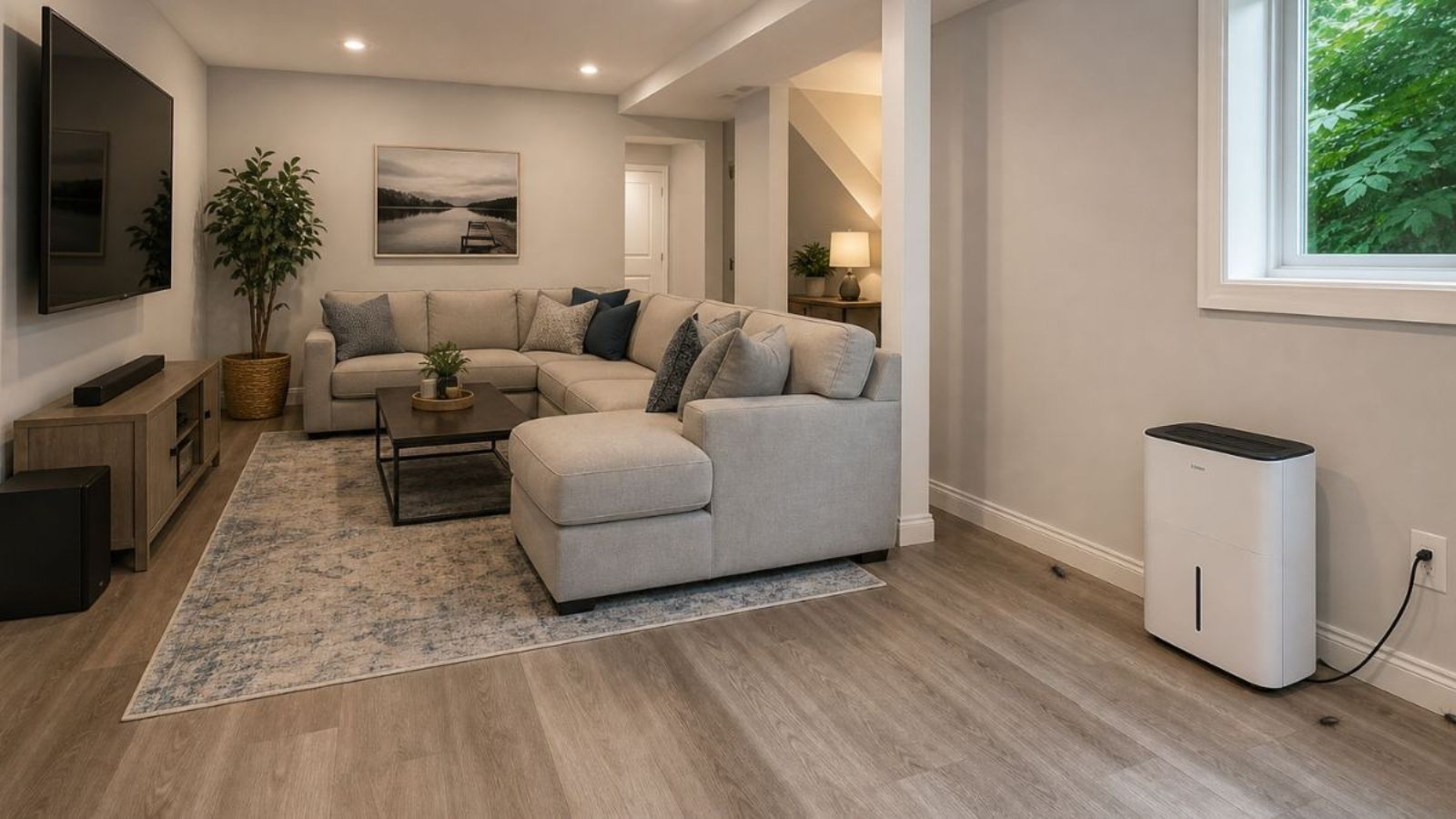
A dehumidifier can help maintain healthier moisture levels during humid summer months. Many homeowners notice fewer musty odors and less condensation once indoor humidity is reduced.
In general, basement humidity should stay below 50 percent to discourage pests and mold growth.
Fix Leaks Quickly
Even small plumbing leaks can create ongoing moisture problems. Check around:
- Water heaters
- Utility sinks
- Washing machine connections
- Pipes and fittings
- Basement windows
Addressing leaks early can prevent pests from settling into hidden damp areas.
Reduce Clutter
Storage boxes, old paper, and unused items create hiding spots for pests while also trapping moisture.
You can lower the risk by:
- Using plastic storage containers
- Keeping items off the floor
- Removing unnecessary cardboard
- Organizing dark storage corners regularly
Seal Entry Points
Pests often enter through tiny openings around the foundation, utility lines, or basement windows.
Inspect for:
- Foundation cracks
- Gaps around pipes
- Damaged weather stripping
- Loose vents or screens
Sealing these openings can help reduce pest access to humid interior spaces.
Why Professional Inspections Can Help
Humidity-related pest problems are not always obvious at first. Many infestations begin behind walls, inside crawl spaces, or beneath flooring where moisture remains hidden.
A professional inspection can help identify:
- Active pest activity
- Hidden moisture sources
- Entry points around the home
- Early termite damage
- Conditions that may lead to future infestations
Early inspections can help uncover pest activity before moisture-related problems spread further through the home.
Preventing Future Basement Pest Problems
Long-term prevention usually comes down to moisture control and routine maintenance. When basements stay dry and properly sealed, pests are far less likely to settle inside.
Helpful prevention habits include:
- Monitoring humidity levels regularly
- Cleaning basement storage areas
- Repairing drainage issues around the foundation
- Keeping gutters and downspouts clear
- Scheduling inspections if pest activity keeps returning
A dry basement not only feels more comfortable during the summer, but it also helps protect your home from many of the pests that thrive in humid conditions.
Frequently Asked Questions
Can high basement humidity attract pests even if I do not see water leaks?
Yes. Humid conditions can provide enough moisture for many pests, even when there are no visible leaks or standing water. Insects often seek out damp areas that remain unnoticed by homeowners.
What basement humidity level is considered too high?
Most experts recommend keeping basement humidity below 50 percent. Higher levels can encourage pest activity, mold growth, and moisture-related damage.
Which pests are most commonly found in humid basements?
Cockroaches, silverfish, centipedes, millipedes, termites, and rodents are commonly associated with damp basement environments. These pests are often attracted by moisture, shelter, and available food sources.
Will a dehumidifier help reduce pest problems?
A dehumidifier can make your basement less attractive to pests by lowering moisture levels. While it may not eliminate an existing infestation, it can support long-term prevention efforts.
How can I tell if pests are hiding in my basement?
Common signs include droppings, musty odors, damaged materials, shed insect skins, nesting materials, and increased pest sightings. If you notice multiple warning signs, a professional inspection may help identify hidden activity.
Hire a Professional – ABC Termite & Pest Control Company – Omaha & Lincoln
If you’re concerned about pest infestations or want a professional to evaluate your home’s pest prevention strategies, don’t hesitate to reach out to a local Nebraska pest control expert.
Find a reputable pest control company in Omaha or Lincoln that you TRUST. Ask about their termite inspection and pest management services. You may think you are saving money; however, a single misapplication could have significant and adverse or deadly consequences for you or your loved ones. Contact ABC Termite & Pest Control in Omaha & Lincoln, NE to talk with an exterminator today!