
Higher utility bills are often attributed to seasonal weather, aging HVAC equipment, or rising energy costs. However, attic inspections sometimes reveal another overlooked contributor: pest damage in insulation.
Across Omaha and surrounding communities, technicians occasionally inspect homes where the original concern is an unexplained increase in heating or cooling costs. Instead of finding a mechanical problem, the inspection uncovers rodent activity that has compressed, displaced, or contaminated insulation over time. Because attics are rarely part of routine home maintenance, this type of damage often develops long before homeowners notice visible signs of pests.
How Pests Alter Attic Insulation
During attic inspections, technicians often find that rodents create established travel routes through insulation rather than remaining in a single nesting area. As they move throughout the attic, they repeatedly compress insulation, gather nesting material, and expand pathways that become easier to use over time.
Common inspection findings include:
- Narrow travel paths pressed into insulation
- Nesting areas where insulation has been pulled apart
- Droppings and urine contaminating surrounding materials
- Insulation displaced around vents and attic access panels
- Chewing near roof penetrations or utility openings
These changes break the continuous layer of insulation that helps regulate indoor temperatures. Even localized damage can reduce the insulation’s ability to perform effectively in that portion of the attic.
Why Utility Costs Begin Climbing
The effects of pest damage in insulation are often noticed before the pest activity itself.
During service visits, homeowners sometimes report that an upstairs room has become noticeably warmer during summer or slower to heat during winter. When technicians inspect the attic above that area, they may find insulation that has been flattened or separated by repeated rodent movement rather than a problem with the heating or cooling equipment.
As insulation loses its ability to slow heat transfer, HVAC systems often operate longer to maintain consistent indoor temperatures.
Small Entry Points Often Lead to Ongoing Activity
The amount of attic damage is rarely determined by the size of the opening pests use to enter.
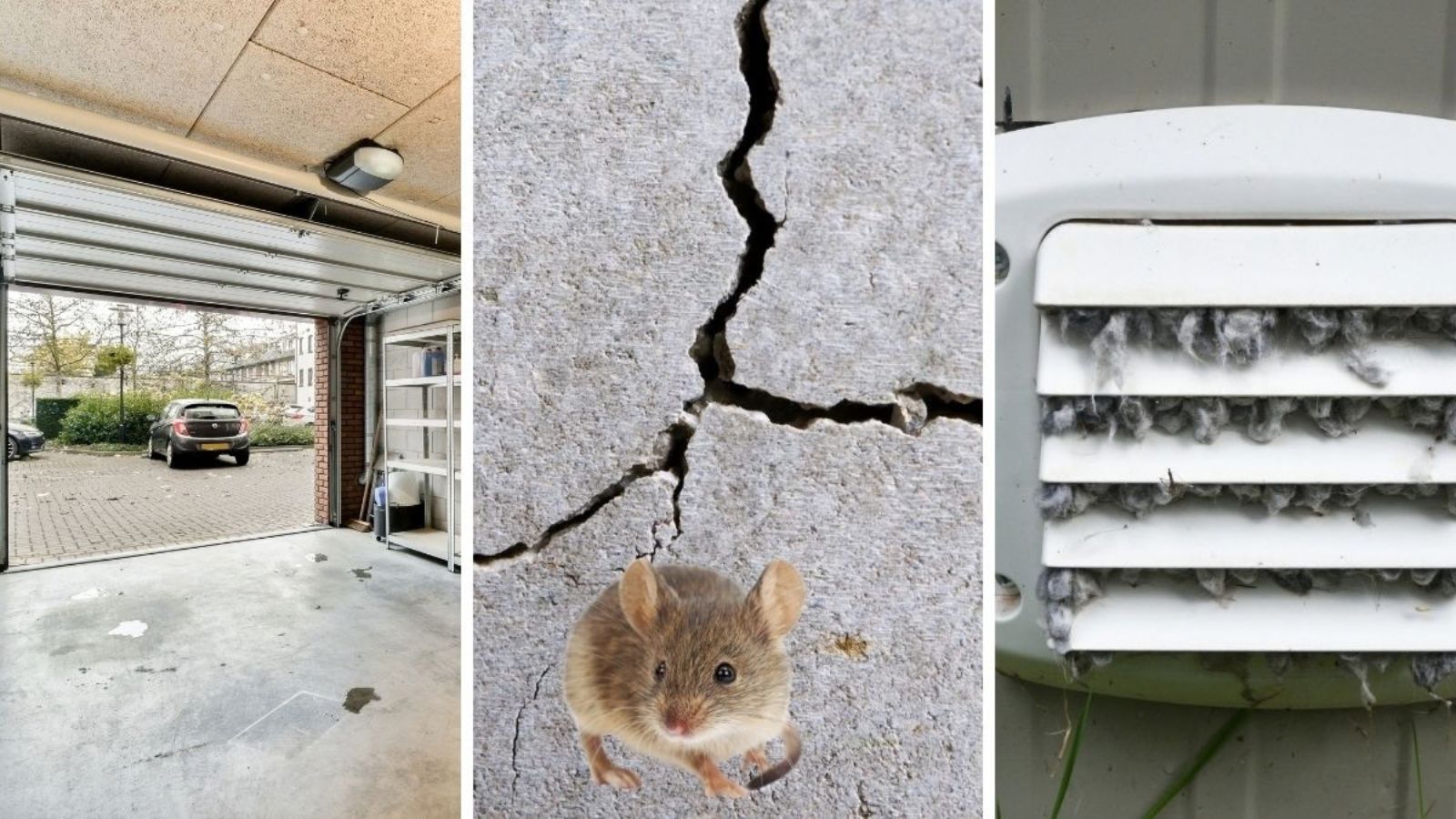
During exterior inspections, technicians frequently trace rodent activity to roof vents, soffits, plumbing penetrations, or construction gaps where different building materials meet. In many homes, the visible damage inside the attic extends well beyond the small exterior opening that allowed pests to enter.
A recurring field observation is that the same access point can support repeated activity over multiple seasons until it is properly sealed.
What Attic Inspections Reveal Beyond Nesting
An attic inspection is not limited to locating nests. The location and condition of the insulation often provide valuable clues about how pests have been moving through the structure.
Technicians evaluate details such as:
- Whether travel paths follow roof edges or exterior walls
- Areas where insulation depth changes abruptly
- Evidence that distinguishes recent activity from older nesting sites
- Damage patterns that help trace movement back to likely entry points
- Whether activity appears isolated or continues into other attic sections
These observations help determine whether the infestation is active, recurring, or left over from an earlier problem, allowing recommendations to address the source rather than only the visible damage.
Evaluating Insulation Before Replacing It
Not every attic affected by rodents requires complete insulation replacement.
During inspections, technicians assess whether damage is limited to isolated nesting areas or whether contamination extends across larger sections of the attic.
Technicians also evaluate whether the insulation can still perform effectively after the pest issue has been resolved. If not, replacement may be the better option.
This inspection-first approach helps ensure repairs are based on the actual condition of the insulation rather than assuming all affected materials must be removed.
Seasonal Weather Often Exposes Hidden Damage
Insulation damage can remain unnoticed until outdoor temperatures place greater demands on the home’s heating or cooling system.
During Omaha’s hotter months, disturbed insulation allows attic heat to transfer into living spaces more easily. Winter conditions can produce the opposite effect, allowing conditioned indoor air to escape faster through weakened areas.
Although seasonal weather does not create pest damage in insulation, it often makes existing problems easier to recognize through uneven room temperatures and rising utility costs.
Frequently Asked Questions
Can pest damage in insulation really cause higher energy bills?
Yes. Damaged or displaced insulation can make heating and cooling systems work longer to maintain indoor temperatures, contributing to increased energy use.
Does damaged insulation always need to be replaced?
Not always. The condition of the insulation determines whether it can be repaired or if contaminated sections should be replaced.
Which pests most often damage attic insulation?
Rodents are the most common cause because they tunnel through insulation to build nests and create travel paths. Squirrels and birds may also disturb insulation after entering attic spaces.
Why do insulation problems sometimes return after repairs?
Repairs may not last if the original entry points remain open. Addressing both the infestation and access points helps reduce the risk of recurring damage.
How can homeowners help prevent future insulation damage?
Regular attic inspections and sealing potential entry points can help identify problems before they become more extensive. Managing moisture around the home also makes attic spaces less attractive to pests.
Hire a Professional – ABC Termite & Pest Control Company – Omaha & Lincoln
If you’re concerned about pest infestations or want a professional to evaluate your home’s pest prevention strategies, don’t hesitate to reach out to a local Nebraska pest control expert.
Find a reputable pest control company in Omaha or Lincoln that you TRUST. Ask about their termite inspection and pest management services. You may think you are saving money; however, a single misapplication could have significant and adverse or deadly consequences for you or your loved ones. Contact ABC Termite & Pest Control in Omaha & Lincoln, NE to talk with an exterminator today!